

Searching for the best will trust and estate lawyers near me can feel overwhelming, but it’s essential for safeguarding your assets and ensuring your final wishes are honored. Whether you’re looking to pass on wealth efficiently or secure the future of your loved ones, the right estate planning attorney can offer peace of mind and significant tax benefits.
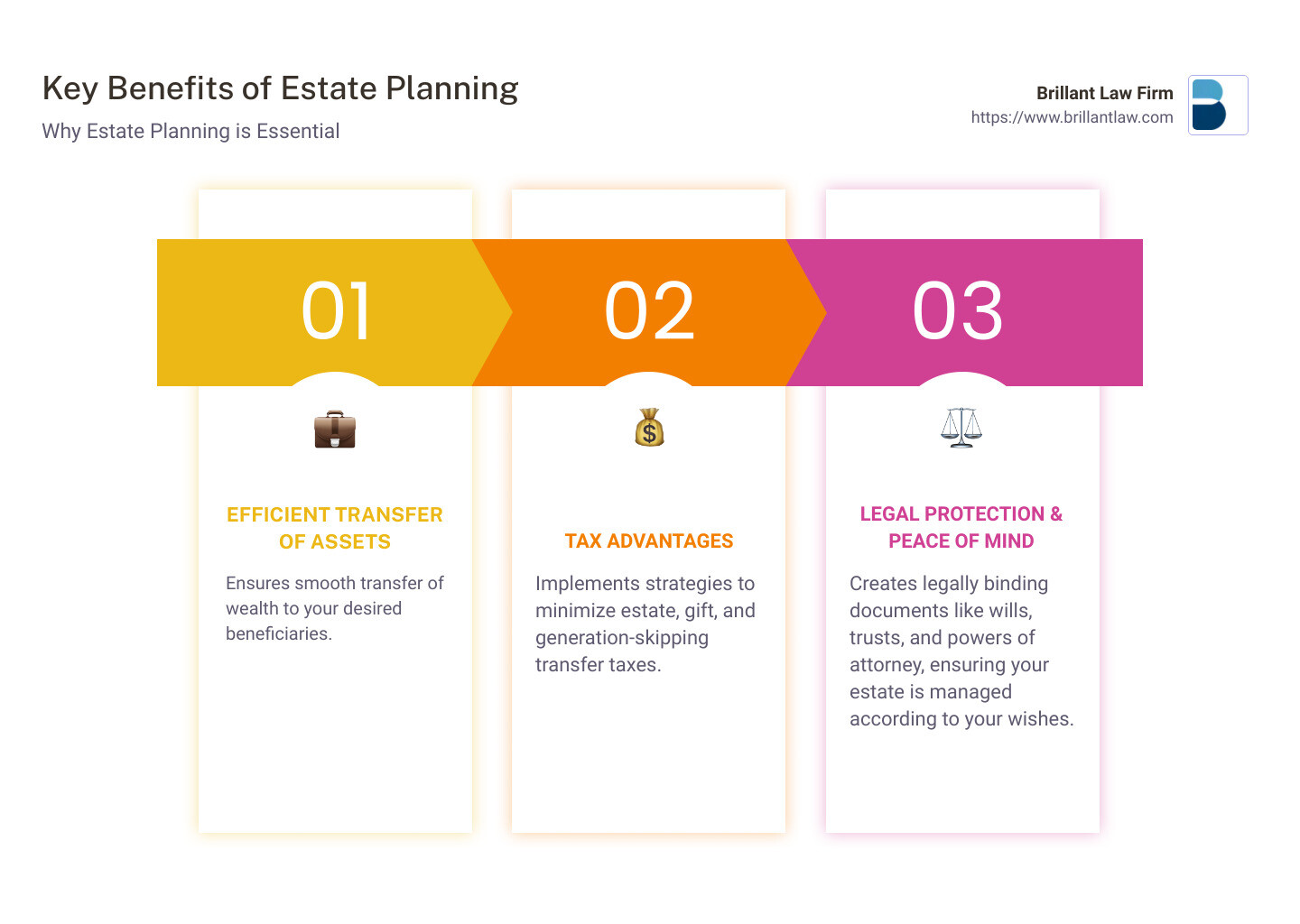
Here’s how a will trust and estate lawyer can help you:
- Efficient Transfer of Assets: Ensures smooth transfer of wealth to your desired beneficiaries.
- Tax Advantages: Implements strategies to minimize estate, gift, and generation-skipping transfer taxes.
- Legal Protection: Creates legally binding documents like wills, trusts, powers of attorney, and medical directives.
- Peace of Mind: Offers reassurance that your estate is managed according to your wishes, avoiding complications and conflicts.
Estate planning ensures that your hard-earned assets are managed and distributed according to your desires, preventing unintended legal disputes and potential financial setbacks. It also allows you to designate guardians for minors and make healthcare decisions in advance through medical directives.
I’m David Brillant, a certified specialist in estate planning, trust, and probate law with experience in handling both simple and complex estate matters. My goal is to help you steer the critical aspects of estate planning, ensuring you achieve peace of mind and legal security.
Terms related to will trust and estate lawyers near me:
– best trust and estate law firms
– estate and trust attorneys
– trust and estate law
What to Look for in a Will, Trust, and Estate Lawyer
When searching for the best will trust and estate lawyers near me, consider these key factors to ensure you make the right choice:
Experience
Experience is crucial. Look for a lawyer who has handled a wide range of estate planning cases. An attorney with years of experience will have faced various challenges and will know how to steer complex situations. They will be familiar with the nuances of estate laws and can foresee potential issues before they arise.
Specialization
Specialization matters in estate planning. An attorney who focuses primarily on wills, trusts, and estates will be more knowledgeable about the latest laws and strategies. They can craft documents that are custom to your specific needs, rather than using a one-size-fits-all approach.
Client Reviews
Client reviews offer insight into an attorney’s reputation and the quality of their services. Look for testimonials that highlight the lawyer’s reliability, professionalism, and ability to communicate effectively. Positive reviews from previous clients can give you confidence in your choice.
Legal Expertise
A good estate planning lawyer should have deep legal expertise. They should be well-versed in federal and state tax laws, probate procedures, and the creation of various estate planning documents. This expertise ensures that your estate plan is comprehensive and legally sound.
Communication Skills
Effective communication is essential. Your lawyer should be able to explain complex legal concepts in simple terms that you can understand. They should listen to your concerns and answer your questions clearly and patiently. Good communication builds trust and ensures that your estate plan aligns with your wishes.
When evaluating potential lawyers, consider their ability to:
- Explain legal terms and processes clearly
- Listen to your needs and concerns
- Provide timely updates on your case
By focusing on these factors, you can find a will trust and estate lawyer who will help you protect your assets and achieve your estate planning goals.
Lead directly into the next section:
Services Offered by Will, Trust, and Estate Lawyers
Services Offered by Will, Trust, and Estate Lawyers
When you search for the best will trust and estate lawyers near me, you’re looking for a variety of essential services. These services help ensure your assets are protected and your wishes are respected. Here’s what you can expect:
Estate Planning
Estate planning is the foundation of managing your assets and preparing for the future. Lawyers help you:
- Define how your assets will be distributed
- Minimize taxes and legal fees
- Ensure your wishes are carried out
With proper estate planning, you can prevent disputes and provide clear instructions for your loved ones.
Wills
A will is a legal document that:
- States how your property should be distributed after your death
- Names guardians for minor children
- Designates an executor to manage your estate
Creating a will with a lawyer ensures it meets all legal requirements and reduces the risk of disputes.
Trusts
Trusts are versatile tools that:
- Allow you to manage your assets during your lifetime
- Provide for your beneficiaries after your death
- Avoid the probate process
There are different types of trusts, like living trusts and testamentary trusts. A lawyer can help you decide which is best for your situation.
Power of Attorney
A power of attorney (POA) lets you appoint someone to make decisions on your behalf if you’re unable to. This includes:
- Financial decisions
- Legal matters
- Healthcare choices
Having a POA in place ensures your affairs are handled according to your wishes.
Medical Directives
Medical directives, or living wills, specify your healthcare preferences. They:
- Outline your wishes for medical treatment
- Appoint a healthcare proxy to make decisions if you’re incapacitated
These documents help guide your loved ones and healthcare providers during difficult times.
Business Succession
For business owners, planning for the future of your business is crucial. Lawyers can help you:
- Create a succession plan
- Ensure a smooth transition of ownership
- Protect your business interests
Business succession planning ensures your business continues to thrive even after you’re no longer at the helm.
By offering these comprehensive services, will trust and estate lawyers help you create a robust plan that protects your assets and respects your wishes.
Lead directly into the next section:
Differences Between Wills and Trusts
Differences Between Wills and Trusts
Understanding the differences between wills and trusts is crucial for effective estate planning. Both documents serve to distribute your assets, but they function differently and have unique advantages.
Definition of a Will
A will is a legal document that outlines how your property and assets should be distributed after your death. It can also:
- Name guardians for minor children
- Designate an executor to manage your estate
- Specify how debts and taxes should be paid
Wills are essential for ensuring your final wishes are clear and legally binding.
Definition of a Trust
A trust is a legal arrangement where you (the grantor) transfer assets to a trustee to manage for the benefit of your beneficiaries. Trusts can be:
- Living Trusts: Created during your lifetime and can be revocable or irrevocable.
- Testamentary Trusts: Established through a will and come into effect after your death.
Trusts can provide more control over asset distribution and can help avoid probate.
Probate Process
One significant difference between wills and trusts is the probate process. A will must go through probate, a court-supervised procedure that validates the will and oversees the distribution of the estate. This process can be time-consuming and costly.
In contrast, assets in a living trust bypass probate, allowing for a quicker and more private distribution. This can save your beneficiaries time and money.
Guardianship
Wills have the unique ability to appoint guardians for minor children. If you have young children, specifying a guardian in your will ensures that they are cared for according to your wishes.
Trusts, however, do not address guardianship. If you need to appoint a guardian, a will is essential.
Tax Implications
Both wills and trusts can have tax implications. A well-structured estate plan, often involving both documents, can help minimize estate taxes. Trusts can offer additional tax benefits, such as:
- Reducing estate taxes through irrevocable trusts
- Sheltering assets from creditors and lawsuits
Consulting with a knowledgeable attorney can help you steer these complexities and optimize your estate plan for tax efficiency.
By understanding these key differences, you can make informed decisions about whether a will, a trust, or a combination of both is best for your situation.

Lead directly into the next section:
Benefits of Hiring a Will, Trust, and Estate Lawyer
Benefits of Hiring a Will, Trust, and Estate Lawyer
When it comes to estate planning, hiring a will, trust, and estate lawyer can offer numerous benefits. Here are some of the key advantages:
Legal Compliance
Estate planning involves many legal requirements. A seasoned lawyer ensures that all your documents are legally sound and comply with state laws. Proper execution of legal documents is crucial to avoid disputes and ensure your wishes are honored.
Dispute Resolution
Disputes can arise among beneficiaries or between trustees and beneficiaries. An experienced attorney can help resolve these disputes efficiently. They can represent you in court, mediate conflicts, and offer advice to prevent issues from escalating.
Tax Savings
A well-structured estate plan can save you money on taxes. Lawyers specializing in estate planning are knowledgeable about federal and state tax laws. They can help you minimize estate, gift, and generation-skipping taxes. For example, the Tax Cuts and Jobs Act of 2017 raised the estate tax exemption, and a lawyer can help you steer these changes to optimize your tax savings.

Asset Protection
Protecting your assets from creditors and lawsuits is another benefit. Trusts, especially irrevocable ones, can shield your assets. A lawyer can help you set up the right structures to safeguard your wealth.
Personalized Advice
Everyone’s situation is unique. A good lawyer will offer personalized advice custom to your specific needs. They will consider your family relationships, charitable inclinations, and financial goals. This ensures that your estate plan reflects your wishes and provides the most benefit to your loved ones.
By understanding these benefits, you can see why hiring a will, trust, and estate lawyer is a wise investment. They offer expertise and peace of mind, ensuring that your estate is handled according to your wishes and in the most efficient manner possible.
How to Choose the Right Lawyer for Your Needs
How to Choose the Right Lawyer for Your Needs
Finding the best will, trust, and estate lawyers near me can feel overwhelming, but breaking down the process into clear steps makes it manageable. Here’s how to choose the right lawyer for your needs:
Consultation Process
Start with an initial consultation. Many lawyers offer a free or low-cost meeting to discuss your needs and their services. This is a great opportunity to gauge their expertise and see if you feel comfortable with them.
- Prepare a list of questions. This will help you understand their approach and ensure they can handle your specific needs.
- Bring relevant documents. This includes any existing wills, trusts, or estate plans you have.
Questions to Ask
Asking the right questions can help you determine if the lawyer is a good fit. Here are some key questions to consider:
- How do you charge? Understand their fee structure. Some lawyers charge flat fees for standard services, while others bill by the hour.
- What is your experience with estate planning? Look for a lawyer who specializes in wills, trusts, and estate planning.
- Will you send estate planning documentation for me to review? Ensure you can review all documents before they are finalized.
- How do you feel about a revocable living trust? This can provide insights into their approach to estate planning.
Evaluating Credentials
Credentials matter. Here are some things to check:
- State Bar Membership: Ensure they are a member of the Ohio State Bar and in good standing.
- Specialization: Look for lawyers who specialize in estate planning.
- Peer Reviews: Recognition by peers can be a good indicator of their expertise. For instance, lawyers listed in directories like Best Lawyers have undergone rigorous peer reviews.
Understanding Fees
Legal services can be costly, so it’s important to understand the fees upfront:
- Flat Fees: Often used for standard services like drafting a will.
- Hourly Rates: May apply to more complex tasks or additional research.
- Transparency: Ensure billing practices are clear and transparent to avoid surprises.
Client Testimonials
Client reviews can provide valuable insights into a lawyer’s competence and reliability. Look for:
- Testimonials on their website: These can give you a sense of client satisfaction.
- Third-party reviews: Check platforms like Google Reviews or Avvo for unbiased opinions.
By following these steps, you can find a lawyer who not only meets your legal needs but also makes you feel comfortable and confident in your estate planning decisions. This ensures your estate plan will be handled with the utmost care and professionalism.
Frequently Asked Questions about Will, Trust, and Estate Lawyers Near Me
What type of lawyer is best for wills?
When looking for the best will, trust, and estate lawyers near me, you should seek out an estate planning attorney. These lawyers specialize in creating legal documents that outline how your assets will be managed and distributed upon your death. They have expertise in:
- Inheritance laws: Ensuring your assets go to the intended beneficiaries.
- Tax minimization: Helping you reduce estate taxes and other related costs.
- Legal compliance: Making sure your will is valid and enforceable in court.
What is the difference between a will estate and a trust?
A will and a trust are both tools used in estate planning, but they serve different purposes:
- Will: A legal document stating your final wishes for asset distribution after your death. It can also name guardians for minor children and appoint an executor to manage your estate through the probate process.
- Trust: A legal entity created during your lifetime to manage and distribute assets. A revocable trust can be altered while you are alive, whereas an irrevocable trust cannot. Trusts generally avoid probate, offering privacy and potentially faster asset distribution.
Key Differences:
– Management: Wills are managed after death by an executor; trusts are managed by a trustee during your lifetime and after your death.
– Distribution: Wills go through probate; trusts do not.
– Lifetime vs. After Death: Trusts can be used to manage assets during your lifetime; wills only take effect after death.
Does a living trust have to be notarized in Ohio?
Yes, in Ohio, a living trust must be notarized to be valid. Here are the requirements:
- Settlor: The person creating the trust must sign it.
- Witnesses: While not always required, having witnesses can add an extra layer of validation.
- Notary Public: The trust must be signed in front of a notary public to be legally binding.
By understanding these essentials, you can better steer the process of finding the right will, trust, and estate lawyers near me, ensuring your estate planning is thorough and legally sound.
Conclusion
In summary, estate planning is not just about drafting documents; it’s about creating a roadmap for your future and your family’s well-being. Finding the right will, trust, and estate lawyers near me can provide peace of mind, knowing that your wishes will be honored and your assets protected.
At Brillant Law Firm, we specialize in bespoke strategies custom to your unique needs. Our team of experts is dedicated to providing top-notch legal services, ensuring that every aspect of your estate plan is carefully crafted and legally sound.
Our expertise spans across various facets of estate planning, from wills and trusts to tax savings and asset protection. We pride ourselves on our dedication to excellence and our commitment to helping you achieve your personal goals.
Trust Brillant Law Firm to guide you through the complexities of estate planning with professionalism, empathy, and unparalleled expertise. Contact us today to secure your future and protect your legacy.


