

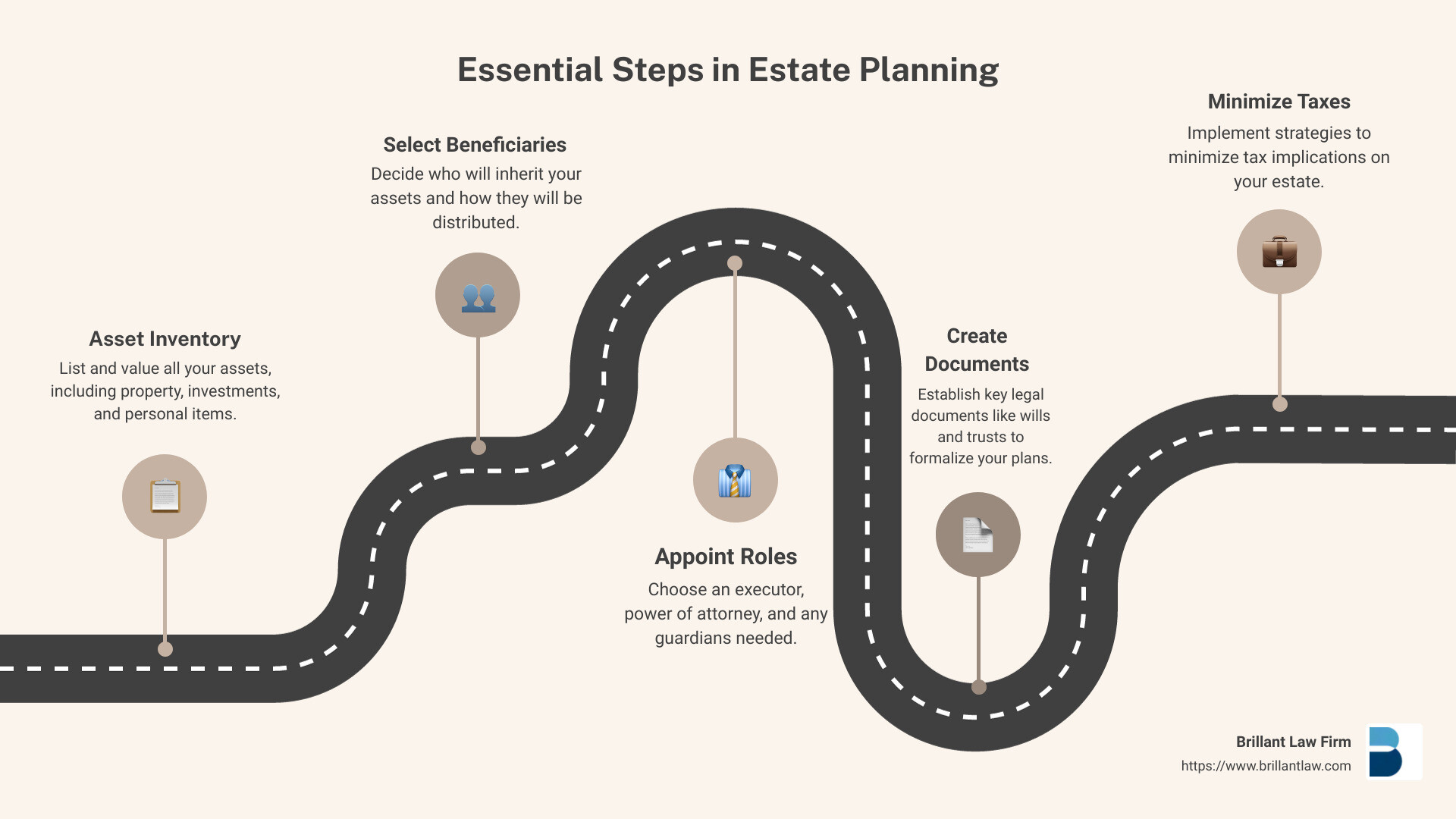
Understanding what is an estate plan is crucial for anyone looking to manage their wealth and provide for loved ones after they’re gone. An estate plan involves organizing and preparing for the distribution and management of your assets in the event of incapacitation or death. Key components of an estate plan include:
- Listing and valuing your assets
- Selecting beneficiaries and determining asset distribution
- Appointing an executor and power of attorney
- Establishing a will and, if needed, trusts
Estate planning goes beyond just having a will; it involves a comprehensive strategy to manage your financial affairs efficiently and fulfill your wishes with minimal tax implications.
I’m David Brillant. Over my years as a Certified Specialist in Estate Planning, Trust and Probate Law in California, I’ve seen how understanding what is an estate plan can significantly impact financial security and peace of mind. As you start on this important journey, let’s dive into more details that could shape your legacy.
What is an estate plan terms simplified:
– asset checklist for estate planning
– death plan
– will preparation worksheet
What is an Estate Plan?
An estate plan is a blueprint for managing your financial affairs and personal wishes if you become incapacitated or pass away. It’s not just for the ultra-wealthy; everyone can benefit from having one. At its core, an estate plan ensures your assets are distributed according to your wishes, minimizes taxes, and provides guidance for your care if you can’t make decisions yourself.
Key Components of an Estate Plan
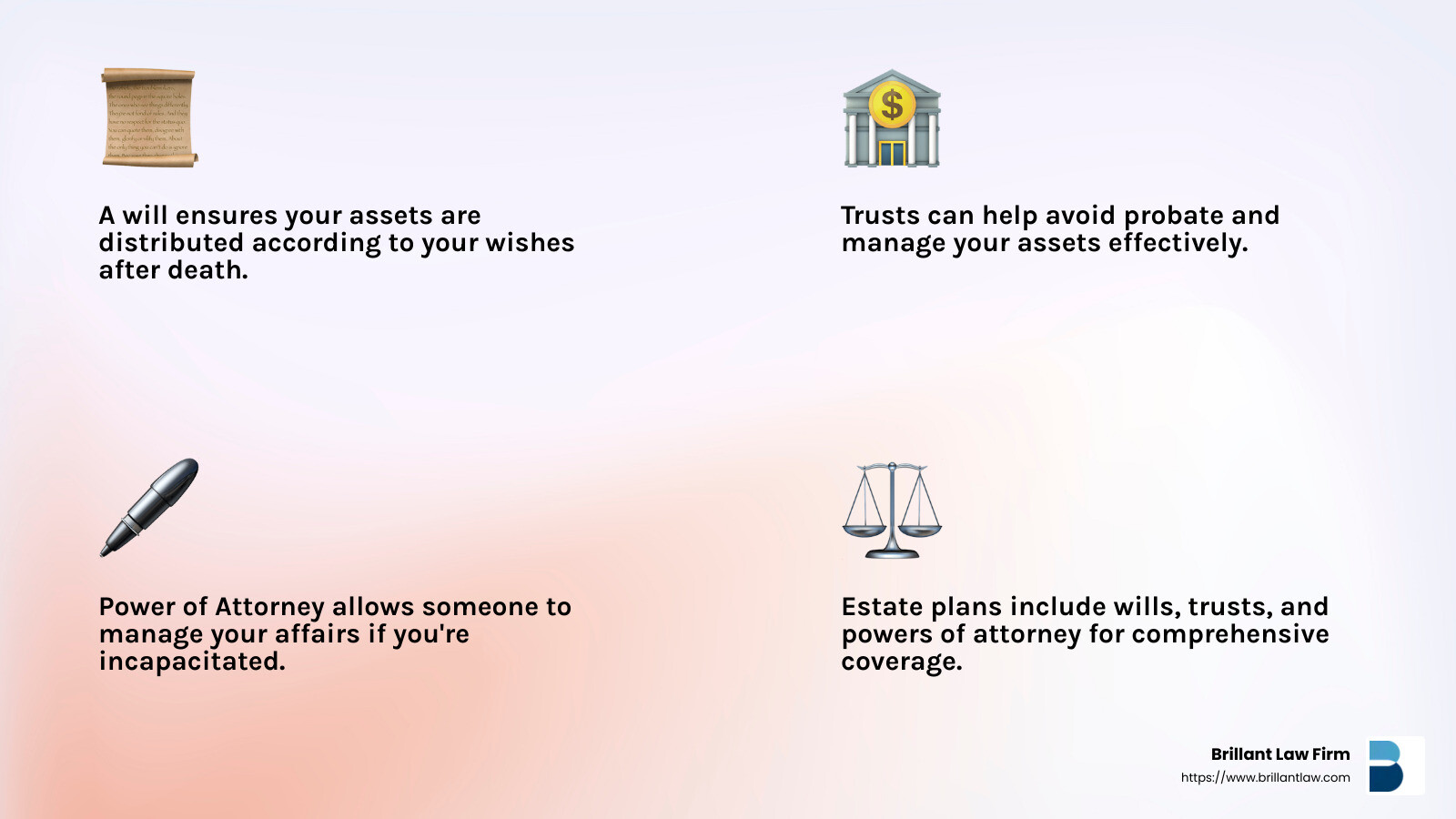
Wills: A will is a legal document that outlines how you want your assets distributed after your death. It also allows you to name a guardian for minor children. While crucial, a will alone is not enough for a comprehensive estate plan.
Trusts: Trusts can help manage and protect your assets during your lifetime and after your death. They can be used to minimize estate taxes, avoid probate, and control when and how your assets are distributed to beneficiaries.
Power of Attorney: This legal document allows you to appoint someone to manage your financial affairs if you become incapacitated. There are different types, such as a durable power of attorney, which remains in effect even if you become unable to make decisions.
Estate Plan vs. Will
A common misconception is that having a will is the same as having an estate plan. However, a will is just one part of a broader estate planning strategy.
Wills focus on asset distribution and appointing guardians for minor children. They do not handle issues like incapacity or avoid probate, which can be a lengthy and costly process.
Estate Plans offer a comprehensive approach. They include wills, trusts, powers of attorney, healthcare directives, and more. This ensures not only asset distribution but also management of your affairs if you can’t handle them yourself.
For example, Aretha Franklin’s case illustrates the chaos that can ensue without a clear estate plan. She left behind multiple handwritten wills, leading to family disputes and legal challenges over her estate, which could have been avoided with a well-prepared estate plan.
Building an estate plan is about creating a roadmap for your future and the future of those you care about. By understanding these key components, you can take the first steps toward securing peace of mind for yourself and your loved ones.
Importance of Estate Planning
Estate planning is not just about dividing assets; it’s about safeguarding your family’s future and ensuring your wishes are honored. Let’s explore why this is crucial.
Protecting Your Loved Ones
Guardianship and Special Needs: One of the most critical aspects of estate planning is naming guardians for your minor children. Without this, the court decides who takes care of them. For families with special needs members, a well-crafted plan ensures they get the care and resources they need without jeopardizing their benefits.
Healthcare Directives: A healthcare directive, or living will, specifies your medical wishes if you can’t communicate them yourself. This not only guides your loved ones during difficult times but also relieves them from making those tough decisions alone.
Avoiding Probate
Living Trusts and Beneficiary Designations: A living trust can help bypass the probate process, which can be time-consuming and costly. By placing your assets in a trust, you maintain control over them during your lifetime and ensure a smooth transition to your beneficiaries upon your passing. Beneficiary designations on accounts like life insurance or retirement plans also help avoid probate, allowing direct transfers to your chosen individuals.
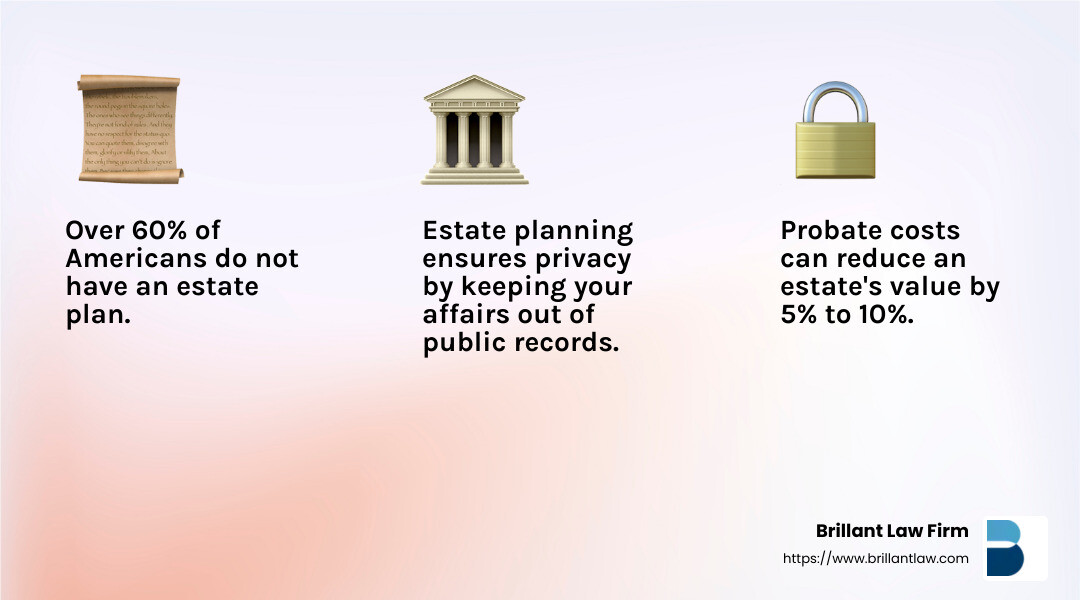
Minimizing Court Costs: Probate can be expensive, with court fees and legal costs potentially reducing the inheritance your loved ones receive. By setting up a comprehensive estate plan, you can minimize these expenses and ensure more of your estate goes to your family.
Asset Distribution, Tax Minimization, and Privacy
Asset Distribution: An estate plan ensures your assets are distributed according to your wishes, not the state’s default rules. This clarity helps prevent family disputes and ensures everyone gets exactly what you intended.
Tax Minimization: Estate planning allows for strategies that reduce the tax burden on your heirs. By setting up trusts or making charitable donations, you can significantly lower estate taxes, leaving more for your loved ones.
Privacy: Probate is a public process, meaning anyone can access details about your estate. A well-structured estate plan, especially one that includes trusts, keeps your affairs private, protecting your family’s confidentiality.
Estate planning is about more than just money. It’s about peace of mind and ensuring your loved ones are cared for in the way you envision. By taking these steps, you protect your family, preserve your legacy, and ensure your wishes are honored.
Steps to Create an Estate Plan
Creating an estate plan might sound daunting, but breaking it down into steps makes it manageable. Here’s how to get started:
Inventory Assets
Gather What You Own: The first step is to list all your assets. This includes everything from your house and car to stocks, art, and even collectibles. Don’t forget about digital assets like online accounts and cryptocurrencies. Knowing what you own helps in deciding how you want it distributed.
Establish Directives
Make Your Wishes Known: Directives are instructions about how you want your affairs handled if you can’t make decisions yourself. This includes setting up a power of attorney to manage financial matters and a healthcare directive to outline your medical wishes. These documents ensure your preferences are respected and alleviate pressure on your family during difficult times.
Hire an Attorney
Get Expert Help: Estate planning involves complex legal documents. Hiring an attorney who specializes in estate law ensures your plan complies with California laws and covers all your bases. They can guide you through the process, helping you make informed decisions and avoid common pitfalls.
Essential Documents
Will and Trust: A will outlines how you want your assets distributed and can name guardians for minor children. A trust can help manage your assets during your lifetime and distribute them after death, often avoiding probate. Both are crucial components of a comprehensive estate plan.
Power of Attorney and Healthcare Directive: These documents appoint someone to make financial and medical decisions on your behalf if you’re unable to do so. They are essential for ensuring your wishes are followed and can prevent family conflicts.
Updating Your Estate Plan
Adapt to Life Changes: Life is full of changes—marriage, divorce, the birth of a child, or even moving to a new home can impact your estate plan. It’s important to review and update your plan regularly to reflect these changes.
Stay Informed on Legal Updates: Laws change, and what worked a few years ago might not be the best strategy now. Keep your estate plan current by consulting with your attorney about any legal updates that could affect your plan.
Ongoing Process: Estate planning isn’t a one-time task. Regular reviews ensure your plan remains aligned with your goals and circumstances. Set a reminder to revisit your plan every few years or after major life events.
By following these steps, you create a robust estate plan that protects your assets, respects your wishes, and provides peace of mind for you and your loved ones.
Frequently Asked Questions about Estate Plans
What is the purpose of an estate plan?
An estate plan is like a roadmap for your assets and wishes when you can’t manage them yourself. It ensures your belongings—like your home, car, and savings—are given to the people you choose. It’s not just about money; it also includes healthcare directives. These are instructions for your medical care if you’re unable to speak for yourself. Imagine a situation where you’re unable to make decisions due to illness. An estate plan ensures your wishes are known and followed, easing the burden on your family.
When should you get an estate plan?
The best time to start estate planning is now, regardless of your age. Life is unpredictable, and having a plan in place is a proactive way to prepare for the unexpected. Key life events, such as getting married, having a child, or buying a home, are perfect triggers to begin or update your plan. Even young adults should consider estate planning, especially if they have assets or dependents. Starting early means you can adjust your plan as your life evolves. You can always update it to reflect changes in your life.
How much does an estate plan cost?
The cost of an estate plan can vary based on several factors. If you choose to hire an attorney, fees can range from a few hundred to several thousand dollars, depending on the complexity of your estate. However, there are affordable options available. Some people opt for online platforms that offer basic estate planning services at a lower cost. While these might be suitable for simpler estates, complex situations often benefit from professional legal advice. Investing in a well-prepared estate plan can save your heirs money and stress in the long run, making it a worthwhile expense.
Conclusion
At Brillant Law Firm, we understand that planning for the future can feel overwhelming. However, having a well-crafted estate plan provides peace of mind, knowing that your wishes will be honored and your loved ones protected.
We specialize in creating custom strategies custom specifically to your needs and circumstances. Whether it’s setting up a trust to manage your assets or drafting a will to ensure your estate is distributed according to your wishes, our team of experienced attorneys is dedicated to providing you with the assurance you need.
Our expertise in estate planning means that we can help you steer complex legal requirements, minimize taxes, and avoid the costly and lengthy probate process. We believe that everyone deserves a clear and effective estate plan, and we’re here to guide you every step of the way.
Ready to secure your legacy and protect your loved ones? Contact Brillant Law Firm today to schedule a consultation and start your estate planning journey with confidence.


