

Trust estate is central to effective estate planning and fiduciary arrangements, ensuring your assets are managed and distributed according to your wishes. But what does a trust estate truly involve, and how can it benefit you and your loved ones?
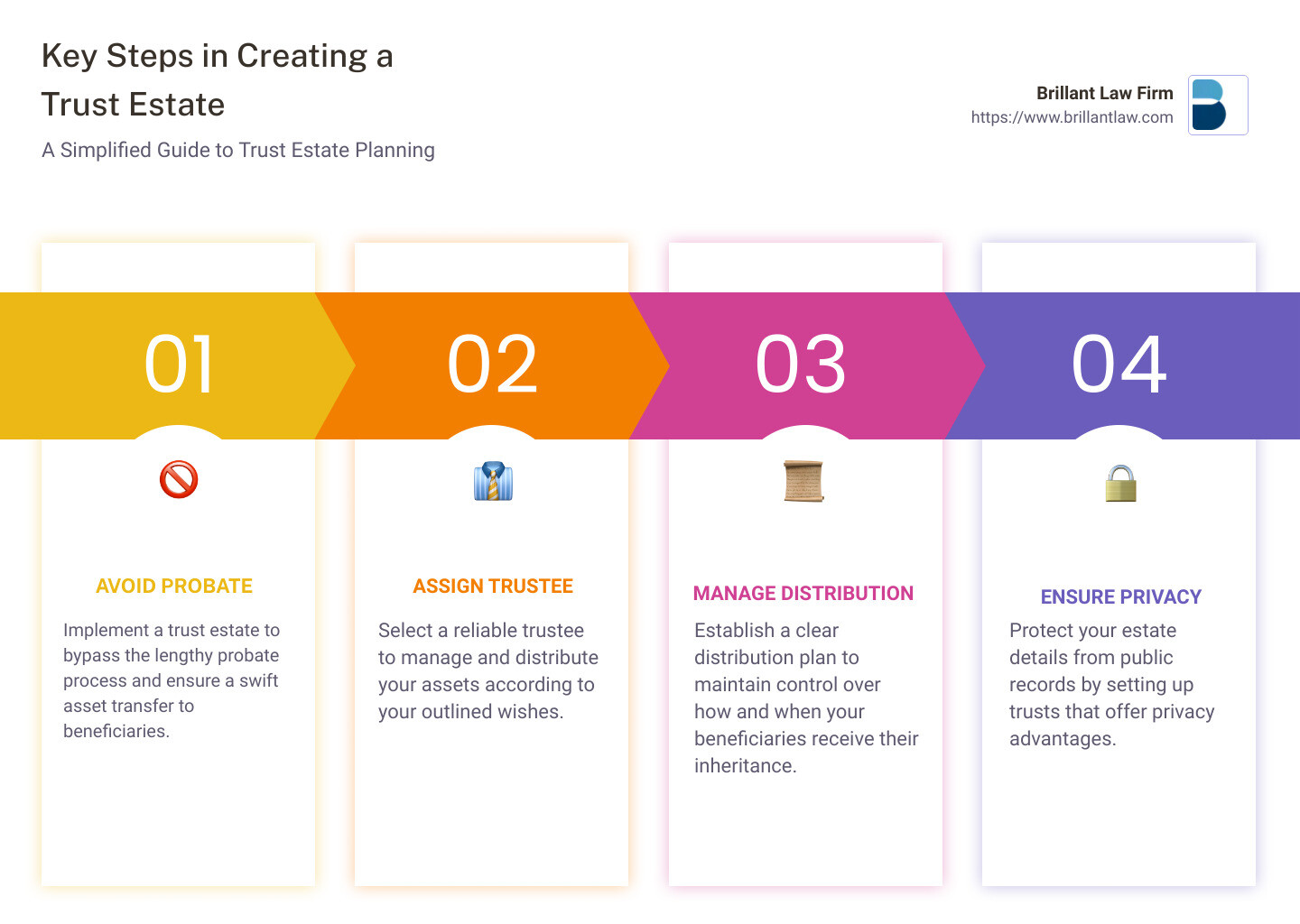
- Trust estate is a part of estate planning that protects, manages, and distributes assets.
- Avoid probate to ensure beneficiaries quickly and privately receive their inheritances.
- Use fiduciary arrangements to assign a reliable trustee to manage asset distribution.
- Different types of trusts offer varied benefits and tax implications, which can profoundly impact your estate planning.
Preserving your legacy with a trust estate doesn’t have to be complex. It involves creating a legal framework that allows a trustee to manage and distribute your assets to beneficiaries, bypassing potential delays and public scrutiny of probate.
I’m David Brillant, an expert in trust estate law with a specialization in California’s estate planning and fiduciary arrangements. With years of experience in navigating complex legal terrains, I’m dedicated to providing strategies custom to you. Let’s dig into how trust estates can work for your individual needs.
Understanding Trusts
When it comes to estate planning, understanding the role of trusts is crucial. Trusts are legal tools that help manage and distribute assets effectively. At the heart of any trust is a fiduciary relationship, where a trustee is appointed to manage the trust’s assets for the benefit of the beneficiary. This relationship ensures that the assets are handled according to the grantor’s wishes.
Types of Trusts
Trusts come in various forms, each serving different purposes. Here’s a quick breakdown:
Revocable Trust: This type of trust allows the grantor to alter or revoke it during their lifetime. It’s flexible and often used to manage assets during one’s lifetime and avoid probate after death.
Irrevocable Trust: Once set up, this trust cannot be changed or canceled. It offers benefits like asset protection and potential tax advantages, as the assets are removed from the grantor’s estate.
Living Trust: Also known as an inter-vivos trust, this is established during the grantor’s lifetime. It can be either revocable or irrevocable and helps in managing assets while avoiding probate.
Testamentary Trust: Created through a will, this trust takes effect after the grantor’s death. It’s typically used to manage and distribute estate assets according to specific instructions.
Benefits of Trusts
Trusts offer a range of advantages that make them an attractive option for estate planning:
Probate Avoidance: Assets held in a trust bypass the probate process, allowing beneficiaries to receive their inheritance more quickly and privately.
Tax Efficiency: Certain types of trusts can help minimize estate and gift taxes, making them a smart choice for tax planning.
Asset Protection: Trusts can shield assets from creditors and legal claims, providing peace of mind that your wealth is secure.
Privacy: Unlike wills, trusts are not public documents, ensuring that your estate affairs remain confidential.
Using a trust estate effectively requires understanding these types and benefits. Whether it’s the flexibility of a revocable trust or the protection offered by an irrevocable trust, each type plays a vital role in comprehensive estate planning. By leveraging these tools, you can ensure that your assets are managed and distributed according to your wishes, with minimal hassle and maximum efficiency.
Trust Estate: Key Concepts
When it comes to estate planning, the term trust estate refers to the assets and properties managed within a trust. This concept is central to understanding how trusts function and how they differ from other estate planning tools like wills.
Trust Estate vs. Will
A trust estate is a collection of assets held within a trust, managed by a trustee for the benefit of beneficiaries. This setup allows for precise control over how and when assets are distributed. In contrast, a will is a legal document that outlines how a person’s assets should be distributed upon their death.
One of the major differences between a trust estate and a will is the probate process. Assets in a trust estate bypass probate, which is a public and often lengthy legal process to validate a will and distribute assets. This means beneficiaries can receive their inheritance more quickly and privately through a trust estate. Wills, however, must go through probate, potentially delaying asset distribution and exposing estate details to the public.
When considering asset transfer, a trust estate offers more flexibility. The trustee can manage and distribute assets according to specific instructions provided by the grantor, even during the grantor’s lifetime. In contrast, the instructions in a will only take effect after death.
Setting Up a Trust Estate
Establishing a trust estate involves several key steps to ensure that your assets are managed and distributed according to your wishes.
1. Consult Advisors: Start by consulting with legal, tax, and financial advisors. This team can help you determine the best type of trust for your needs, whether it’s for avoiding probate, minimizing taxes, or protecting assets.
2. Choose a Trustee: Selecting the right trustee is crucial. This person or entity will manage the trust estate and must act in the best interests of the beneficiaries. It’s important to choose someone reliable and experienced, whether it’s a trusted individual or a corporate trustee.
3. Asset Transfer: Once the trust is set up, transfer assets into the trust estate. This involves retitling properties, bank accounts, and other assets so that they are owned by the trust. Without this step, the trust estate holds no value.
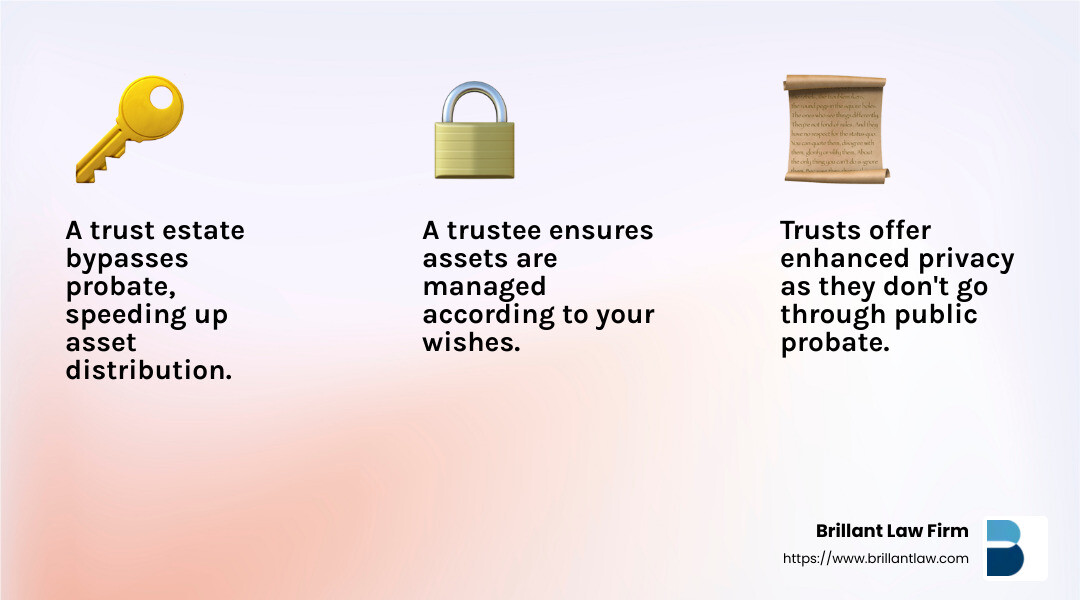
Setting up a trust estate might seem complex, but it provides significant benefits, such as avoiding probate and ensuring that your assets are managed according to your wishes. By following these steps, you can create a trust estate that aligns with your estate planning goals.
Tax Implications of Trust Estates
Revocable vs. Irrevocable Trusts
When it comes to trust estates, understanding the tax implications is crucial. The type of trust you choose—revocable or irrevocable—will significantly impact your tax responsibilities and potential benefits.
Revocable Trusts are flexible. You can change or terminate them during your lifetime. However, this flexibility comes with tax responsibilities. Any income generated by a revocable trust is taxed as part of your personal income. This means you’ll report the trust’s income on your tax return, just like any other income you earn. Additionally, since the trust’s assets are considered part of your estate, they are subject to estate taxes upon your death.
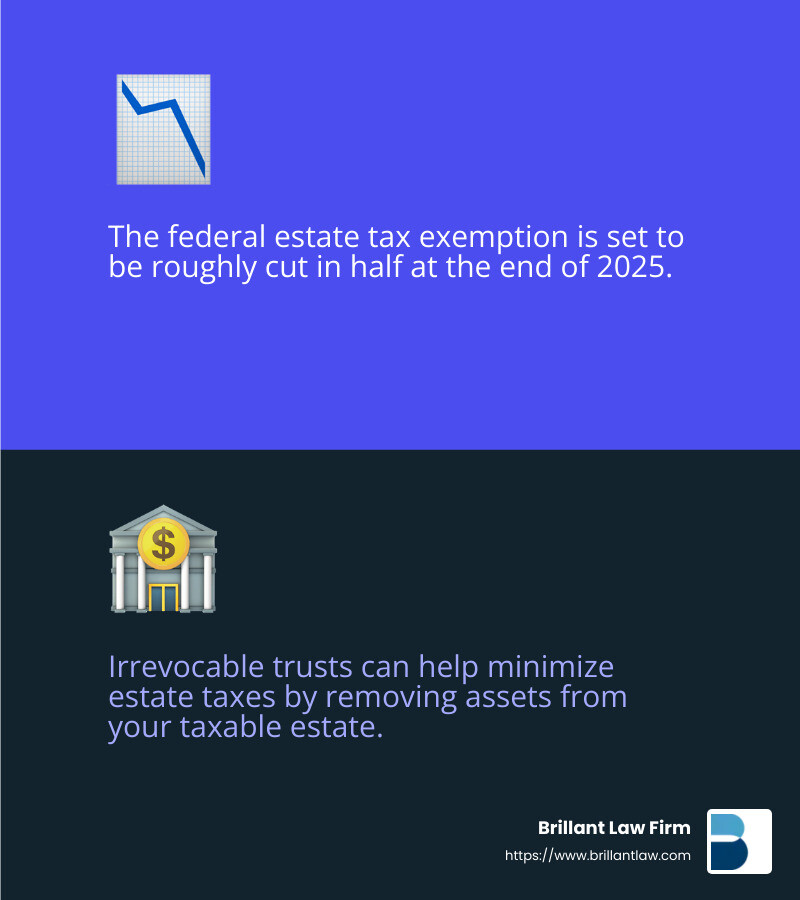
Irrevocable Trusts, on the other hand, are set in stone once established. You cannot make changes without the beneficiaries’ consent. This rigidity offers a significant advantage: the assets in an irrevocable trust are typically not subject to estate taxes. Once transferred, they are no longer part of your taxable estate. This can be a strategic move to minimize estate taxes, especially if your estate exceeds the federal estate tax exemption.
Capital Gains Taxes are another consideration. For irrevocable trusts, capital gains taxes are paid by the trust itself, often at different rates than individuals. This can impact the overall tax efficiency of the trust. Revocable trusts, however, do not affect capital gains taxes during your lifetime, as gains are included in your personal tax return.
Gift Taxes come into play when assets are transferred into an irrevocable trust. If the value of the assets exceeds the annual gift tax exclusion, you may need to file a gift tax return. However, this doesn’t necessarily mean you’ll owe taxes, thanks to the lifetime gift tax exemption.
In summary, choosing between a revocable or irrevocable trust involves weighing flexibility against potential tax benefits. Consulting with a tax advisor can help you understand these implications and make an informed decision.
Frequently Asked Questions about Trust Estates
What is the meaning of a trust estate?
A trust estate is a special kind of arrangement where your assets are managed by someone else. In this setup, you have a trustee who takes care of your assets for the benefit of others, called beneficiaries. Think of it as a safe box where you put your valuables, and you give the key to someone you trust. The trustee makes sure everything is handled according to your wishes.
The trustee has a lot of power, but it’s all about following the rules you set. They manage the assets, pay any taxes, and distribute the assets to the beneficiaries. The beneficiaries get the benefits of the trust, like receiving money or property, without having to manage it themselves.
Why do people put their estate in a trust?
People often use a trust as part of their estate planning because it offers several advantages. One big reason is probate minimization. Probate is a legal process that happens when someone dies, and it can be long and costly. By putting your estate in a trust, you can often avoid probate, which means your beneficiaries get their inheritance faster and with less hassle.
Another reason is asset protection. A trust can help protect your assets from creditors or legal claims. This is especially important if you have a business or other valuable assets. It also provides privacy since trust documents are not public like a will.
What is the disadvantage of an estate trust?
While there are many benefits to having a trust, there are also some downsides. One of the main disadvantages is the loss of control. Once you put your assets into an irrevocable trust, you can’t easily change your mind or access them. This means you need to be sure it’s the right decision for you.
There are also costs involved in setting up and maintaining a trust. You’ll likely need to hire a lawyer to help you create the trust, and there may be ongoing fees for managing it.
Finally, there’s recordkeeping. Keeping track of all the trust’s activities and ensuring compliance with tax laws can be complex. It’s important to keep detailed records, which can be a lot of work.
In summary, while a trust estate can offer privacy, protection, and efficiency, it’s important to weigh these benefits against the potential downsides. Always consider consulting with a professional to ensure it aligns with your goals.
Conclusion
At Brillant Law Firm, we understand the complexities involved in creating a trust estate. Our team of experts is dedicated to providing bespoke strategies that cater to your specific needs. Whether you’re looking to minimize probate, protect your assets, or ensure a smooth transfer of wealth to your beneficiaries, we are here to guide you every step of the way.
Located in California, our firm specializes in Trusts, Estates, and Taxation. We pride ourselves on our unparalleled expertise and commitment to excellence. Our custom approach ensures that every client receives a plan that aligns perfectly with their goals and circumstances.
Why Choose Brillant Law Firm?
- Expertise: Our dual-certified specialists in estate planning and taxation bring a wealth of knowledge to the table.
- Custom Strategies: We craft personalized plans that reflect your unique situation and objectives.
- Commitment to Excellence: We are dedicated to achieving the best possible outcomes for our clients.
Creating a trust estate is a significant step in securing your legacy and protecting your loved ones. Let us help you steer this process with confidence and ease.
For more information on how we can assist you with your trust and estate planning, visit our Trust and Estate Planning page.
At Brillant Law Firm, your future is our priority.


