

Legal aid for probate: Free 2025 Guide
Navigating Probate Without the Financial Strain
Legal aid for probate offers free or low-cost legal assistance to eligible individuals navigating California’s complex probate process. This support can be a lifeline when you’re dealing with the loss of a loved one and the stress of administering their estate.
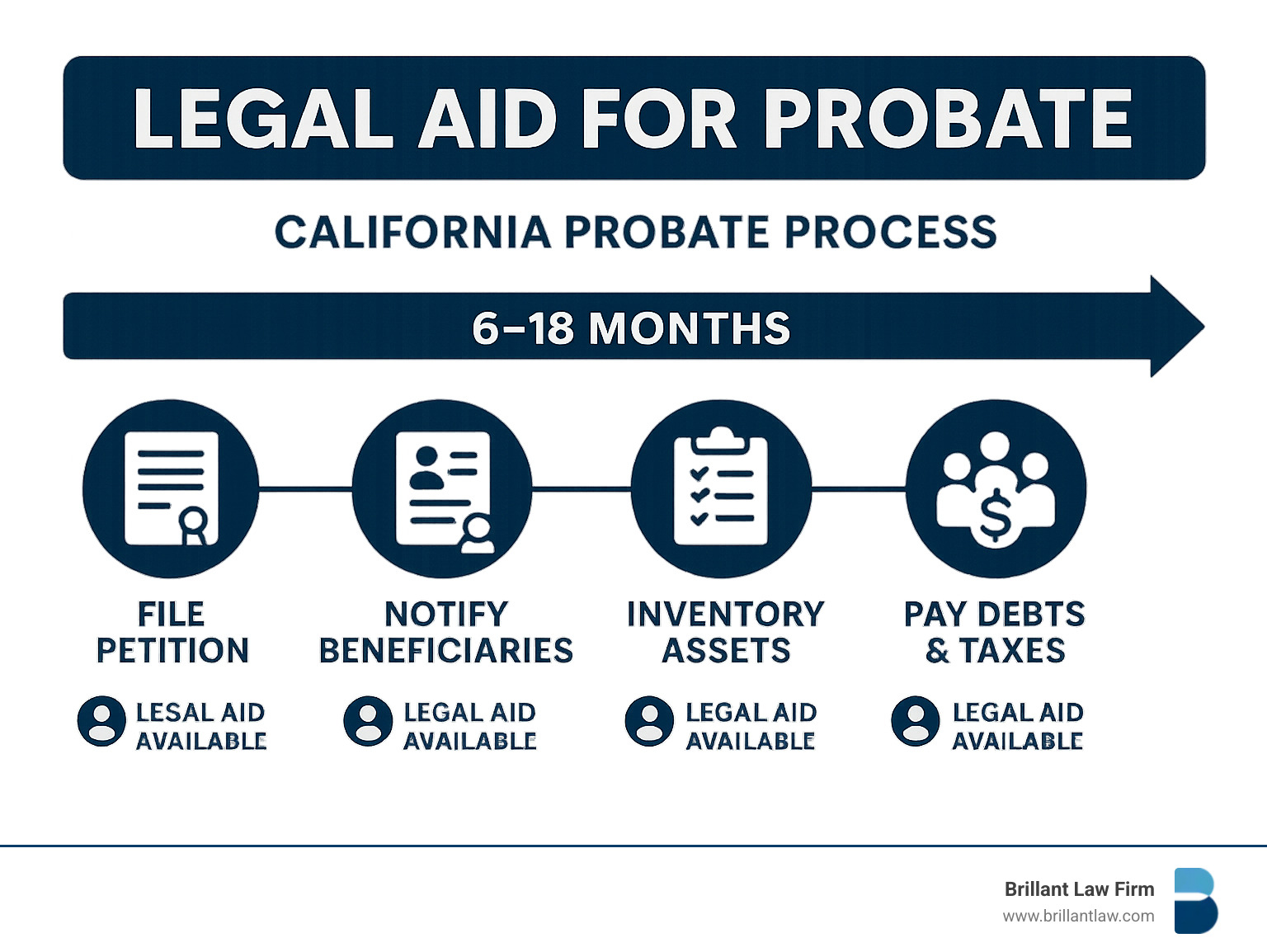
The probate process is often lengthy, taking a minimum of six months and frequently lasting a year or more. The associated legal fees can add a significant financial burden during an already difficult time. For California residents in communities like Walnut Creek, Saranap, San Miguel, and Castle Hill, understanding your options for affordable legal help is essential.
Whether you’re an executor struggling with paperwork or a beneficiary facing a disputed will, legal aid for probate can provide the guidance you need without the high cost of private legal counsel. My name is David Brillant, a Certified Specialist in Estate Planning, Trust and Probate Law. I have seen how crucial these services are for families who need professional guidance but lack financial resources. My goal is to help you understand all your options, from free legal assistance to affordable alternatives.
Key legal aid for probate vocabulary:
What is Probate and Why is it Necessary in California?
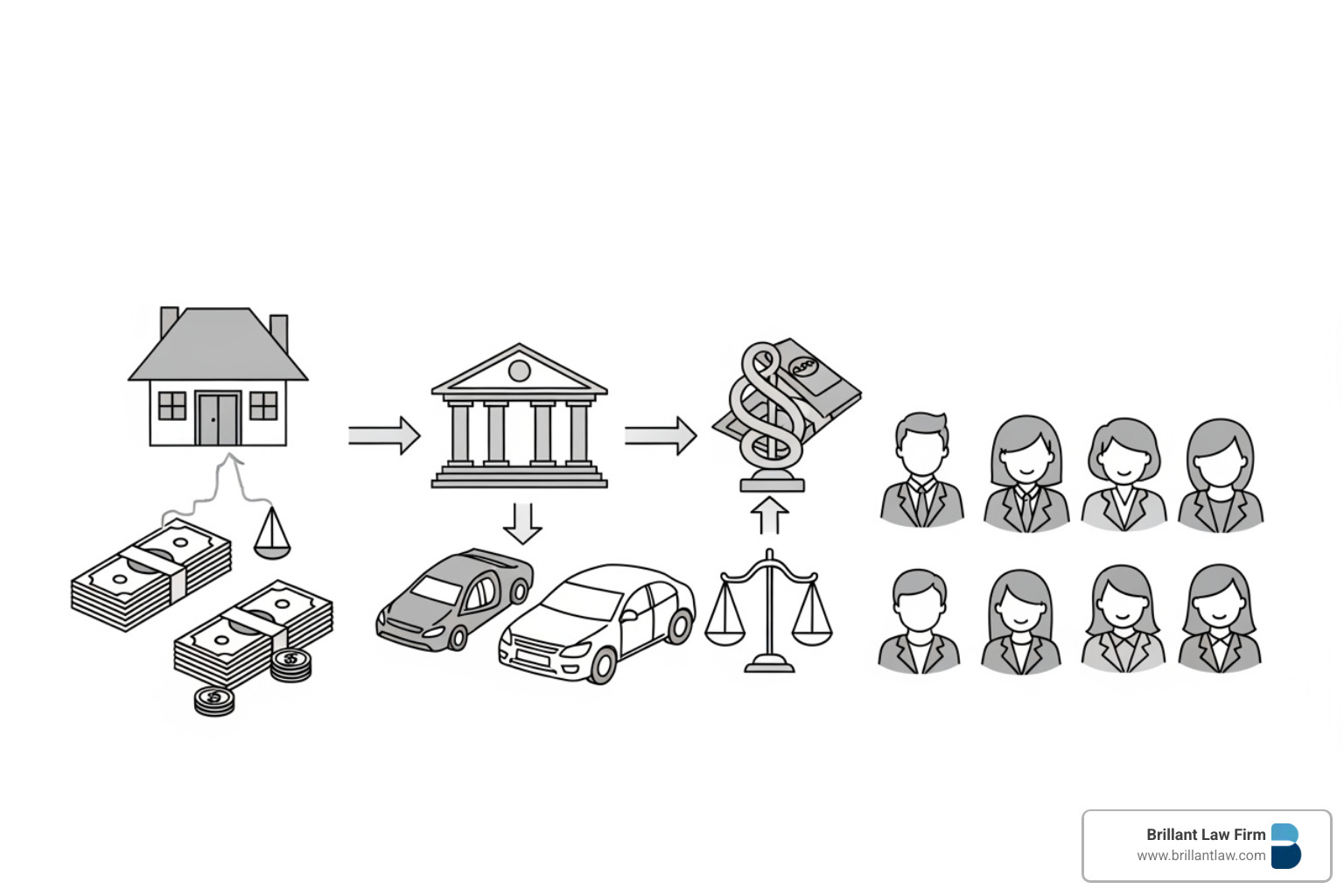
When someone passes away in California, their estate often goes through probate, a formal court process to ensure their affairs are settled correctly. Probate serves several key functions: it validates the will, appoints an executor to manage the estate, ensures all debts and taxes are paid, and oversees the proper distribution of assets to the rightful beneficiaries.
This process is legally required to transfer assets held solely in the deceased’s name. For example, if your loved one owned a home in Walnut Creek or had bank accounts in their name only, probate provides the legal authority needed to access or sell those assets. Executors have serious legal duties and can face personal liability for mistakes in reporting the estate’s value to tax authorities, making professional guidance crucial.
In California, probate is required when an estate’s assets exceed $166,250 or include any real estate held solely in the deceased’s name. This means even modest estates in areas like Saranap or San Miguel will likely require probate.
The Difference Between Probate and Estate Administration
While related, probate and estate administration are different. Probate is the specific court procedure of validating a will and appointing an executor. Estate administration is the broader task of managing the entire estate, which includes identifying assets, paying creditors, filing taxes, and distributing property. The person named in the will to do this is the executor; if there is no will, the court appoints an administrator who follows California’s intestate succession laws. Understanding this distinction helps you seek the right level of support. More info about estate and trust law can clarify your options.
How Long Does Probate Take?
The probate timeline in California is typically longer than most people expect, averaging about a year. Even simple estates with no disputes require a minimum of 6-9 months to complete. Complex estates involving multiple properties, business interests, or contested wills can take significantly longer. Delays are often caused by tax complications, creditor claims, or disputes among beneficiaries. While an attorney cannot eliminate mandatory waiting periods, their experience can help prevent unnecessary delays by ensuring paperwork is handled efficiently and challenges are addressed promptly. For those wishing to spare their families this process, learning How to Avoid Probate through estate planning is the best strategy.
Your Guide to Legal Aid for Probate in California
When dealing with the loss of a loved one, legal fees for probate can be an overwhelming burden. Legal aid for probate offers a lifeline, providing free or low-cost legal assistance to eligible California families. These services are designed to reduce financial stress while protecting your rights, whether you are an executor or a beneficiary. For residents in Walnut Creek, Saranap, San Miguel, and Castle Hill, understanding these options is an essential first step.

When is Legal Aid for Probate Available?
Legal aid organizations focus their resources on cases with the greatest need. This often includes situations involving contested wills, where an estate dispute attorney is needed to address claims of fraud or undue influence. Priority is also given to cases with vulnerable beneficiaries (such as minors or the elderly), those where there is a risk of losing a home, and matters involving elder abuse or financial fraud. Insolvent estates, where debts exceed assets, also frequently qualify due to the complexity and risk of personal liability for the executor.
Eligibility Criteria for Legal Aid for Probate
Eligibility for legal aid for probate primarily depends on your financial situation. Most programs use federal poverty guidelines, setting income thresholds between 125% to 200% of the federal poverty level based on household size. They also consider your assets, though your primary home is often excluded. Your legal issue must fall within the organization’s priorities, and you generally must reside in the county the organization serves, such as Contra Costa County for those in Walnut Creek. You can Find legal aid and pro bono services in California through the State Bar’s directory.
What Services Does Legal Aid for Probate Cover?
Legal aid for probate can provide comprehensive support. Services typically begin with legal advice and consultation to outline the process and your options. They can assist with document preparation and review, which is critical for avoiding errors. For qualifying cases, this can extend to court representation, negotiation with creditors, and general help with executor duties. Beneficiaries can also receive Legal Advice on Inheritance to understand their rights. These services ensure that families with limited resources can steer the probate system fairly.
How to Apply for Probate Legal Assistance
Applying for legal aid for probate is a structured process designed to be as straightforward as possible. It typically starts with contacting a local legal aid organization for a preliminary screening. If you seem to qualify, you will complete a full application and participate in an intake interview with a paralegal or attorney. They will review your case and documents to determine final eligibility. If approved, you will be matched with an attorney who specializes in probate.

Documents Needed for Your Application
Gathering documents beforehand will streamline your application. You will generally need:
- The death certificate
- The original will, if one exists
- A list of the deceased’s assets and debts (e.g., bank accounts, real estate, loans)
- Proof of your income (e.g., pay stubs, benefits statements)
- Proof of your assets (e.g., bank statements)
- Valid personal identification
- Any existing court notices or legal documents related to the estate
Finding and Applying to Providers in Walnut Creek and Surrounding Areas
For residents of Walnut Creek, Saranap, San Miguel, and Castle Hill, several resources are available in Contra Costa County.
- Local Legal Aid Organizations: Start with societies serving Contra Costa County, as they have local court expertise.
- Contra Costa County Bar Association: Offers referral services that can connect you with attorneys offering pro bono or sliding-scale fee services.
- Online Resources: Websites like LawHelpCA allow you to search for local providers specializing in probate.
- Superior Court Self-Help Center: While they don’t provide legal advice, the center in Contra Costa County offers workshops, forms, and procedural guidance. You can find more information via the statewide Self-Help Legal Services network.
Alternatives When You Don’t Qualify for Legal Aid
Many families earn too much to qualify for legal aid for probate but still cannot afford the high cost of full legal representation, which can range from $500 to $700 per hour in California. Fortunately, several alternatives exist between free aid and full-service representation.
- DIY Probate: Handling the process yourself is the lowest-cost option but carries the most risk, as you are fully responsible for all paperwork and procedures without guidance.
- Unbundled Services: This flexible option, also called limited-scope representation, allows you to hire an attorney for specific tasks, such as document review or legal coaching, often for a flat fee.
- Full-Service Attorney: While the most expensive, this provides comprehensive support and is often the wisest choice for complex or contested estates, minimizing your stress and personal liability. The Benefits of an Estate Planning Attorney often justify the cost, especially in high-value areas like Walnut Creek.
Pro Bono Programs and Law School Clinics
Even if you don’t qualify for legal aid, you may find free assistance through pro bono programs. Many California bar associations coordinate volunteer attorney programs that may have more flexible eligibility criteria than legal aid societies. Additionally, university law school clinics offer free legal services provided by supervised law students. These clinics are a valuable resource, though they may have waiting lists.
Limited-Scope Representation and Flat Fees
“Unbundled” services allow you to control legal costs by paying for specific services as needed. For example, you could pay an attorney a flat fee of $500 to $1,000 for a crucial document review to catch errors before filing, or pay an hourly rate for legal coaching sessions to get advice at key points. This approach makes professional expertise more accessible for moderately complex estates where you can handle routine tasks yourself but need expert guidance on strategy or court procedures.
California Court Self-Help Centers
California’s Superior Courts provide self-help centers with free resources for people representing themselves. Located in every county, including Contra Costa, these centers offer workshops, form assistance, and procedural guidance. While staff cannot give legal advice, they can help you understand court rules, complete paperwork correctly, and meet deadlines. For statewide information, visit the Self-Help Legal Services in California Courts website. These centers are an essential tool for those navigating a straightforward probate case on their own.
What is Probate and Why is it Necessary in California?
Probate is California’s formal court process for administering a deceased person’s estate. It is necessary to legally validate a will, pay the decedent’s debts, and transfer assets like a home in Walnut Creek to the rightful heirs. The court appoints an executor (or an administrator if there is no will) to manage this process. This individual has a legal duty to report the estate’s value accurately to tax authorities and can be held personally liable for errors, making the process a significant responsibility.
The Difference Between Probate and Estate Administration
While related, “probate” is the specific court grant of authority, whereas “estate administration” is the entire management process from start to finish. An executor, named in a will, or an administrator, appointed by the court, handles the administration. A full-service firm can handle both, saving you time and preventing costly mistakes.
How Long Does Probate Take?
The probate process in California typically takes around a year, with a minimum of six months for even simple estates. Delays can arise from complex assets, such as properties in Castle Hill, disputes among beneficiaries, or tax issues. Experienced legal help can streamline the process, but the best way to spare your family the delay is through proactive estate planning to How to Avoid Probate.
Your Guide to Legal Aid for Probate in California
Navigating California’s probate system while grieving is a challenge, and legal fees add to the stress. Legal aid for probate is a vital resource, offering free or low-cost legal help to eligible individuals. This support helps you manage the court process and protects your rights as an executor or beneficiary in communities like Walnut Creek, Saranap, and San Miguel.
When is Legal Aid for Probate Available?
Legal aid organizations prioritize cases with the most significant need. This often includes contested wills involving claims of fraud or undue influence, where an estate dispute attorney is essential. Other priority cases involve vulnerable beneficiaries (like minors or the elderly), situations where a beneficiary is at risk of losing their home, and matters involving elder abuse or fraud. Insolvent estates, where debts exceed assets, also frequently qualify for assistance due to their complexity.
Eligibility Criteria for Legal Aid for Probate
Eligibility for legal aid for probate is based on financial need and the nature of your legal problem. Most programs follow federal poverty guidelines, considering your income and household size. They also have asset limits, though your primary home is often exempt. You must be a resident of the area the organization serves, such as Contra Costa County. To see if you qualify, it is always best to check with local providers. The State Bar of California offers a directory to help you Find legal aid and pro bono services in California.
What Services Does Legal Aid for Probate Cover?
Legal aid services are comprehensive. They typically include legal advice and consultation to explain your options, document preparation and review to ensure accuracy, and, for some cases, court representation. They can also assist with negotiating with creditors and provide general guidance on executor duties. Beneficiaries can also find Legal Advice on Inheritance to protect their interests. The goal is to ensure access to justice regardless of financial standing.
How to Apply for Probate Legal Assistance
Applying for legal aid for probate is a structured process. You will contact a provider, undergo an initial screening, and if you pre-qualify, complete a full application and intake interview where your case and eligibility are reviewed.
Documents Needed for Your Application
Having these documents ready will speed up your application:
- Death Certificate and the Original Will (if available).
- A list of the deceased’s Assets and Debts.
- Proof of your household’s Income and Assets (e.g., pay stubs, bank statements).
- Personal Identification.
- Any court documents or correspondence related to the probate case.
Finding and Applying to Providers in Walnut Creek and Surrounding Areas
To find help in the Walnut Creek, Saranap, or Castle Hill areas, start with these resources:
- Local Legal Aid Societies: Search for organizations that serve Contra Costa County.
- Bar Association Referral Services: The Contra Costa County Bar Association can refer you to pro bono or sliding-scale attorneys.
- Online Directories: Use sites like LawHelpCA – Legal aid and legal help near you to find local providers.
- Court Self-Help Centers: The Self-Help Legal Services | Superior Court of California in Contra Costa County offers forms and procedural help, though not legal advice.
Alternatives When You Don’t Qualify for Legal Aid
If you don’t qualify for legal aid for probate, you still have affordable options beyond full-service representation, which can cost $500 to $800 per hour in California. Understanding the alternatives can help you find the right balance of cost and support for your family in Walnut Creek.
- DIY Probate: This is the lowest-cost option but requires you to handle all legal filings and procedures yourself, assuming all risk for potential errors.
- Limited-Scope Representation: Also known as “unbundled services,” this allows you to hire an attorney for specific tasks, like document review or legal coaching, providing expert help where you need it most.
- Full-Service Representation: This is the best option for complex or contested estates, offering complete peace of mind and protection from personal liability. The Benefits of an Estate Planning Attorney are significant in these situations.
Pro Bono Programs and Law School Clinics
Pro bono programs, often run by local bar associations, connect volunteer attorneys with individuals who may not meet strict legal aid income guidelines. Law school clinics in Northern California are another excellent resource, offering free legal services from supervised students. These programs can be a great source of high-quality, free assistance, though availability may be limited.
Limited-Scope Representation and Flat Fees
“Unbundled” services make legal help more accessible. You can pay a flat fee for a specific service, such as having an attorney review your probate petition to prevent costly mistakes. You can also hire an attorney for legal coaching on an hourly basis to get strategic advice without committing to full representation. This approach provides cost certainty and allows you to tailor the legal support to your budget and needs.
California Court Self-Help Centers
California’s Superior Courts, including the one in Contra Costa County, have self-help centers to assist people representing themselves. They offer workshops, help with forms, and guidance on court procedures. While they cannot provide legal advice, they are an invaluable resource for navigating the administrative side of probate. The Self-Help Legal Services in California Courts website offers statewide resources and forms.


