

Introduction
Searching for a federal appeal lawyer can be daunting, but it’s a crucial step if you’ve been convicted or sentenced in federal court. You need an expert who can navigate the complexities of federal appellate courts. Here’s what to look for:
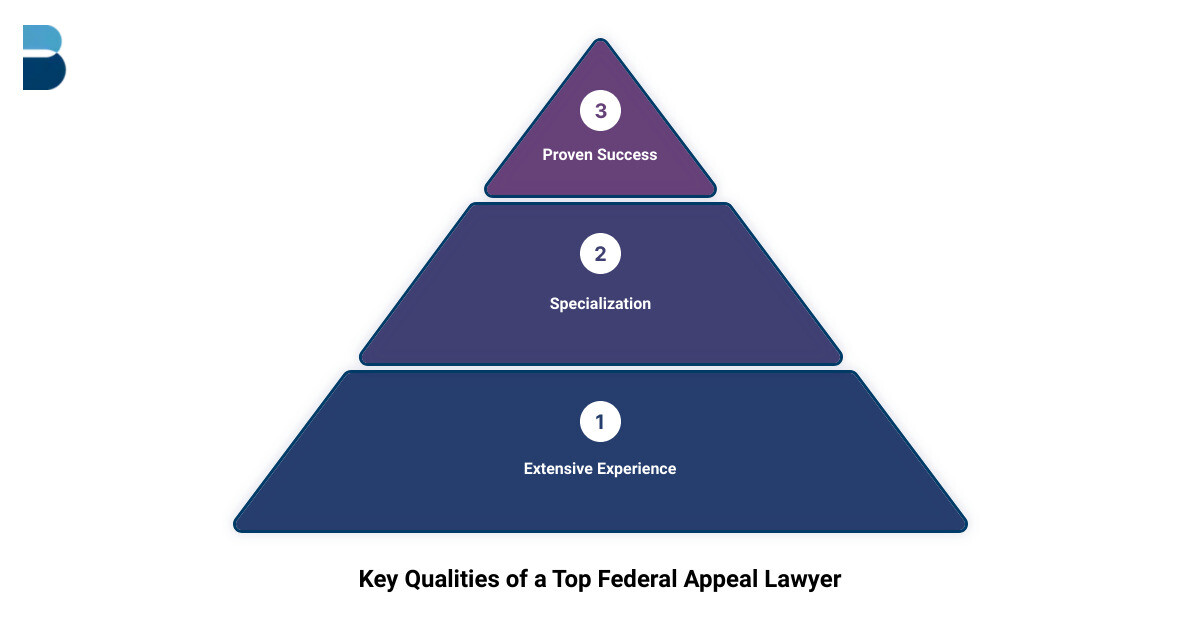
Key Qualities of a Top Federal Appeal Lawyer:
– Extensive Experience: Successfully handling numerous appeals.
– Specialization: Expertise in federal appellate law and specific crime categories.
– Proven Success: High win rates and effectively argued cases in higher courts.
– Strong Communication: Clear and consistent updates throughout the appeal process.
A federal appeal lawyer takes your case to a higher court, aiming to overturn or amend a trial court’s decision. This involves meticulous research, well-crafted arguments, and familiarity with the unique procedures of appellate courts. For instance, Linda Julin McNamara’s impressive record at Oberheiden P.C. includes handling nearly 1,000 appeals, showcasing the kind of expertise you should seek.
Choosing the right lawyer can significantly impact your chances of a successful appeal, affecting your future profoundly.
Understanding Federal Appeals
Navigating federal appeals can seem daunting, but understanding the basics can make it more manageable. Here’s a simple breakdown of the key components:
Federal Laws and Appellate Courts
Federal appeals involve challenging the decisions made by lower federal courts. When you lose a case in a federal district court, you can appeal to a federal appellate court. These courts review the trial court’s application of the law to ensure no errors were made that could have affected the outcome.
The Eleventh Circuit
The Eleventh Circuit Court of Appeals is one of the 13 appellate courts in the United States. It covers Alabama, Georgia, and Florida. If your case was tried in a federal district court in any of these states, your appeal would be heard by the Eleventh Circuit. This court is headquartered in Walnut Creekand is known for handling a variety of complex cases.
The Supreme Court
If you lose your appeal in the Eleventh Circuit, you can try to take your case to the Supreme Court of the United States. However, the Supreme Court doesn’t have to hear your case. You must file a petition for a writ of certiorari, which is a request for the Supreme Court to review your case. The Court only accepts a small percentage of these petitions, focusing on cases that have national significance or where the law needs clarification.
Writ of Certiorari
A writ of certiorari is a formal request asking the Supreme Court to review a decision made by a lower court. Filing for a writ is a critical step if you believe your case has broader implications or involves significant legal questions. However, it’s important to note that the Supreme Court receives thousands of petitions each year and grants only a few.

Understanding these components is essential when considering a federal appeal. The process is complex and requires a skilled federal appeal lawyer who can navigate the intricacies of appellate law.
Next, let’s explore the qualities you should look for in a top federal appeal lawyer.
Qualities of Top Federal Appeal Lawyers
Choosing the right federal appeal lawyer can make all the difference in your case. Here are the key qualities to look for:
Experience
Experience is critical in federal appeals. A seasoned lawyer understands the nuances of appellate law and has a track record of handling similar cases. For example, Linda Julin McNamara, a federal appeals attorney, has handled nearly 1000 appeals and presented more than 100 oral arguments in the Eleventh Circuit Court of Appeals. This kind of experience is invaluable.
Success Rate
A high success rate indicates a lawyer’s effectiveness. While winning a federal appeal is challenging, lawyers with a proven track record of success have demonstrated their ability to craft compelling arguments and navigate complex legal landscapes. At Brillant Law Firm, we pride ourselves on our success in federal appeals, which speaks to our expertise and dedication.
Specialization
Specialization matters. Federal appeals are not the same as trial cases. They require a different set of skills, including exceptional research and writing abilities. According to Vadim A. Glozman, appellate lawyers bring a fresh perspective and are adept at addressing the trial judge’s findings and jury instructions rather than contesting factual matters.
Client Testimonials
Client testimonials provide insight into a lawyer’s performance and client satisfaction. Positive reviews can help you gauge how well a lawyer communicates, their dedication to clients, and their effectiveness in handling appeals. Look for testimonials that highlight successful outcomes and professional service.
The Appellate Law Firm Reviews
Reviews from reputable sources can further validate a lawyer’s qualifications. High ratings and positive feedback from legal directories and review platforms indicate a lawyer’s standing in the legal community. These reviews often consider factors like professionalism, expertise, and client satisfaction.
When selecting a federal appeal lawyer, consider these qualities to ensure you have the best representation for your case. Next, let’s dive into the appeal process and what you can expect.
The Appeal Process Explained
Navigating a federal appeal can be complex, but understanding the key steps can make it more manageable. Here’s a breakdown of what to expect:
Notice of Appeal
The first step in the appeal process is filing a Notice of Appeal. This document informs the court and the opposing party that you intend to challenge the trial court’s decision.
Timing is crucial: You must file this notice within 14 days of the trial judgment, as stipulated by the Federal Rules of Appellate Procedure (Rule 4(b)). Missing this deadline can jeopardize your appeal.
Appellate Brief
Next, your lawyer will prepare an Appellate Brief. This is a written document that outlines the legal arguments for why the trial court’s decision should be reversed or modified.
Key elements include:
– A summary of the case
– A statement of the issues being appealed
– Legal arguments supported by statutes, case law, and evidence from the trial record
The brief is critical. It’s your primary tool to persuade the appellate judges that errors occurred during the trial.
Oral Arguments
After the briefs are submitted, the court may schedule Oral Arguments. This is an opportunity for your lawyer to present your case in person and answer any questions the judges may have.
Each side typically has 15 minutes to argue their case. While short, this time is highly influential. Skilled appellate lawyers will use every second to clarify their points and address the judges’ concerns.
Verdict Processing
Once oral arguments are concluded, the judges will deliberate and issue a decision. This process can take several months. The court will either:
– Affirm the lower court’s decision
– Reverse the decision
– Remand the case back to the lower court for further proceedings
Time Limits
Federal appeals are bound by strict time limits. Besides the initial 14-day window for filing the Notice of Appeal, other deadlines include:
– Filing the Appellate Brief within 40 days after the trial record is filed
– The government’s response brief, typically due 30 days after your brief
– A possible reply brief, usually due 14 days after the response brief
These deadlines are non-negotiable. Missing them can result in the dismissal of your appeal.
Understanding these steps can help you and your federal appeal lawyer navigate the process effectively. Next, let’s explore how to select the right lawyer for your case.
Selecting the Right Federal Appeal Lawyer for Your Case
Finding the right federal appeal lawyer can make a big difference in the outcome of your case. Here are some key factors to consider:
Free Consultation
Many top federal appeal lawyers offer a free consultation. This is a great chance to discuss your case, understand your options, and see if the lawyer is a good fit for you. It’s also an opportunity to ask questions about their experience and approach.
Specialization in Federal Appeals
Federal appeals are complex and require specialized knowledge. Look for a lawyer who focuses on federal appeals rather than general practice. For example, Brillant Law Firm has attorneys who are experts in various federal appeal areas, including white-collar crimes, tax fraud, and healthcare fraud.
Track Record
A lawyer’s track record can tell you a lot about their ability to handle your case. Look for someone with a history of successful appeals. Linda Julin McNamara, a federal appeals attorney at Brillant Law Firm, has handled nearly 1,000 appeals and presented over 100 oral arguments in the Eleventh Circuit Court of Appeals. Such experience can be a strong indicator of competence and reliability.
Client Communication
Good communication is crucial. You want a lawyer who keeps you informed and explains things clearly. At Brillant Law Firm, they pride themselves on providing clear communication and guidance throughout the appeal process. This ensures you can make informed decisions about your case.
Brillant Law Firm
Brillant Law Firm stands out for its specialized expertise and commitment to client success. They handle a wide range of federal appeals, from tax litigation to complex white-collar crimes. Their team includes former U.S. Attorneys and Assistant U.S. Attorneys, giving them a deep understanding of federal laws and court procedures.
Choosing the right lawyer can significantly impact your appeal’s success. Next, let’s look at some common challenges you might face during a federal appeal.
Common Challenges in Federal Appeals
When navigating a federal appeal, you will likely face several challenges. Let’s break down some of the most common ones:
Evidentiary Issues
Evidentiary issues are frequent grounds for appeal. These issues can include improperly admitted evidence, exclusion of crucial evidence, or mishandling of evidence by the trial judge. For example, the trial judge might have allowed hearsay evidence that should have been excluded, or they may have admitted evidence obtained through unconstitutional searches, like illegal dog sniff searches or warrantless searches, violating your Fourth Amendment rights.
Sentencing Errors
Sentencing errors are another common challenge. These errors can involve misapplication of the United States Sentencing Guidelines, incorrect calculations, or adjustments that result in an unreasonable sentence. Sometimes, sentences can even violate the Eighth Amendment’s protection against cruel and unusual punishment. For instance, your sentence might not align with the guidelines, or you might face an excessive fine or restitution order.
Constitutional Violations
Constitutional violations during the trial can be critical grounds for appeal. These can include violations of your Fifth Amendment rights, such as being convicted based on forced confessions or Miranda Rights violations. Other common constitutional issues involve the Sixth Amendment, like depriving you of the right to confront adverse witnesses or ineffective assistance of counsel. Each of these violations can significantly impact the fairness of your trial and are essential to address in your appeal.
Ineffective Assistance of Counsel
The effectiveness of your trial counsel can be a significant factor in your appeal. Ineffective assistance of counsel occurs when your attorney’s performance was so deficient that it deprived you of a fair trial. This could involve failing to object to inadmissible evidence, not preserving crucial issues for appeal, or not providing competent legal advice. Proving this requires showing that your lawyer’s performance fell below an objective standard of reasonableness and that this deficiency affected the outcome of your trial.
Procedural Mistakes
Procedural mistakes during your trial can also be grounds for appeal. These might include errors in jury selection (voir dire), incorrect rulings on pre-trial or trial motions, or mishandling of jury instructions. For example, the trial judge might have given incorrect instructions to the jury, leading to an unfair verdict. Procedural errors can also involve missing critical filing deadlines or not following proper court procedures, which can jeopardize your appeal if not addressed correctly.
Understanding these common challenges can help you better prepare for your federal appeal. Next, we’ll address some frequently asked questions about federal appeals.
Frequently Asked Questions about Federal Appeals
Can I file an appeal directly to the Supreme Court?
No, you cannot file an appeal directly to the Supreme Court. The Supreme Court is a court of last resort, meaning it only hears cases that have already gone through the lower courts. To get your case heard by the Supreme Court, you must first go through the federal appellate courts. If your case is still unresolved, you can then file a petition for a writ of certiorari. This is a request for the Supreme Court to review your case, but be aware that the Supreme Court accepts very few cases each year.
How long do I have to file a federal appeal?
You have a limited time to file a federal appeal. According to the Federal Rules of Appellate Procedure (Rule 4(b)), criminal appellants must file a “notice of appeal” within fourteen days of their trial judgment. Missing this deadline can jeopardize your right to appeal, so it’s crucial to act quickly. Also, be mindful of other stringent filing requirements that apply during the appellate process.
What can I appeal in a federal case?
In a federal case, you can appeal both your conviction and your sentence. Grounds for appeal include:
- Errors during jury selection (voir dire)
- Improper admission or exclusion of evidence
- Incorrect rulings on pre-trial or trial motions
- Verdicts not supported by the weight of the evidence
- Sentences that violate the Federal Sentencing Guidelines or constitutional protections
Successfully challenging your conviction may result in a remand or retrial, while challenging your sentence can lead to re-sentencing in line with the appellate court’s ruling. For more information, check out this guide on federal appeals.
Next, let’s explore the qualities to look for when selecting the right federal appeal lawyer for your case.
Conclusion
Choosing the right federal appeal lawyer is crucial for the success of your appeal. At Brillant Law Firm, we specialize in federal appeals and have a proven track record of success. Our experienced attorneys are dedicated to providing the highest quality representation for our clients.
Why Choose Brillant Law Firm?
Experience and Expertise: Our team includes highly experienced appellate lawyers who understand the complexities of federal law and appellate procedures. For example, Linda Julin McNamara, a key member of our team, has handled nearly 1000 appeals and presented over 100 oral arguments in the Eleventh Circuit Court of Appeals. Her experience in complex white-collar crime cases makes her an invaluable asset to our firm.
Proven Success Rate: We have successfully represented clients in a variety of federal criminal appeals, including cases involving fraud, conspiracy, and public corruption. Our strategic approach and in-depth legal knowledge have led to numerous favorable outcomes for our clients.
Client-Centered Approach: At Brillant Law Firm, we prioritize clear communication and personalized service. We keep you informed at every step of the appeal process, ensuring that you understand your options and can make informed decisions about your case.
Nationwide Representation: We represent clients in federal courts across the United States, including high-stakes appeals in major cities like New York, Los Angeles, and Houston. Our broad reach allows us to provide top-notch legal services no matter where you are located.
Take the Next Step
If you are facing a federal appeal, don’t leave your case to chance. Trust the experts at Brillant Law Firm to provide the skilled representation you need. Contact us today for a free case evaluation and learn how we can help you achieve a fair outcome.
For more information about our services, visit our Practice Areas.
Your rights, freedom, and future are too important to risk. Let Brillant Law Firm guide you through the federal appeals process with confidence and expertise.


