

Securing Your Digital Legacy
Digital estate planning tools are specialized software and services designed to help you organize, secure, and transfer your digital assets after death or incapacity. These tools range from password managers to comprehensive digital estate platforms that integrate with traditional estate plans.
Top Digital Estate Planning Tools:
– Password Managers: LastPass, 1Password, Dashlane
– Digital Vault Services: Everplans, Clocr, Digital Estate Plan
– Legacy Contact Features: Built into platforms like Google, Facebook, Apple
– Legal Document Generators: Trust & Will, LegalZoom (with digital asset provisions)
– Cryptocurrency Management: Coinbase Vault, Casa
In today’s increasingly digital world, our online lives have become as valuable and complex as our physical ones. From cryptocurrency and online banking to social media accounts and cloud-stored family photos, these digital assets hold both financial and sentimental value. Yet many estate plans fail to address what happens to these assets when we’re gone. Without proper planning, your loved ones may face significant problems accessing important accounts, potentially losing valuable memories, intellectual property, or financial assets forever.
According to research, the average person under 70 has more than 160 online accounts, representing a substantial digital footprint that requires careful management. Since 2015, 47 states have adopted versions of the Revised Uniform Fiduciary Access to Digital Assets Act (RUFADAA), recognizing the importance of including digital assets in comprehensive estate planning.
I’m David Brillant, a Certified Specialist in Estate Planning, Trust and Probate Law by the State Bar of California Board of Legal Specialization with extensive experience helping clients integrate digital estate planning tools into their comprehensive estate strategies. My expertise includes creating legally sound frameworks that ensure your digital legacy remains protected and accessible to your designated representatives.
Understanding Digital Assets
When we talk about estate planning, most people think about houses, cars, and financial accounts. But in today’s digital world, we need to consider another important category: your digital footprint.
Digital assets are electronic records that you own or have rights to. These aren’t physical items you can touch – they exist as bits and bytes stored on devices or floating in the cloud. Yet they can hold tremendous value, both financial and sentimental.
Types of Digital Assets
Your digital life is probably more extensive than you realize. Let me walk you through the main categories of digital assets you might own:
Financial Assets include your online banking accounts, investment portfolios, and cryptocurrency wallets. Don’t forget about payment platforms like PayPal or Venmo, online shopping accounts with stored payment information, and even loyalty programs with accumulated points or airline miles. These assets often have direct monetary value that could benefit your heirs.
Personal Assets encompass your email accounts (which may contain important information and correspondence), cloud storage with documents, digital photos capturing precious family moments, and music or book collections you’ve purchased online. Domain names, blogs, and personal websites also fall into this category.
Social Assets are the online platforms where you connect with others – Facebook, Instagram, Twitter, LinkedIn, dating profiles, and gaming accounts. Some people build substantial followings on these platforms, which could have both sentimental and financial value.
Business Assets might include online business accounts, customer databases, digital intellectual property like patents or copyrights, and specialized software or tools. For entrepreneurs, these digital assets can represent significant portions of their business value.
As one estate planning expert put it, “With more people living more of their lives online, a new kind of asset—a digital asset—needs to be understood and accounted for in the preparation and execution of estate plans.”
Value and Importance
The true worth of digital assets goes well beyond dollars and cents. While some assets like cryptocurrency or monetized content channels have clear financial value, others hold irreplaceable emotional significance.
Think about decades of family photos stored in your cloud accounts, or the email correspondence with loved ones who have passed away. These digital memories can’t be assigned a monetary value, but their loss would be devastating to family members.
Colin Korzec, a digital estate planning expert, explains it well: “Many people don’t fully appreciate that digital assets are different animals from traditional assets such as bank accounts.” This fundamental difference is why specialized planning approaches are necessary.
Without proper planning, both financial and emotional losses can occur. Imagine your family being unable to access thousands of dollars in cryptocurrency because the passwords died with you. Or picture them losing access to decades of family photos because no one knew how to access your cloud storage. These very real scenarios highlight why digital estate planning tools have become essential components of a complete estate strategy.
The potential for loss – both financial and sentimental – makes understanding and protecting your digital assets a crucial part of modern estate planning. And as our lives become increasingly digital, this aspect of planning will only grow more important.
The Importance of Digital Estate Planning
In our increasingly digital world, planning for your virtual assets has become just as crucial as planning for your physical ones. Without proper preparation, the digital treasures you’ve accumulated throughout your life could become inaccessible to those you leave behind.
Ensuring Access for Heirs
When we lose someone, accessing their digital world can become surprisingly complicated. Passwords, security questions, and two-factor authentication create necessary security during life but become formidable barriers after death.
I recently worked with a family who experienced this firsthand. Their father had passed away unexpectedly, leaving behind a cryptocurrency wallet worth over $50,000. Despite knowing the asset existed, without his private keys or recovery phrases, that $50,000 became permanently inaccessible—like cash locked in a safe with no combination. A heartbreaking situation that proper digital estate planning could have prevented.
As Purdue Global Law School aptly notes, “Creating a digital estate plan as part of your estate planning can ensure your loved ones know what digital assets you own and what you want done with each asset once you’re gone.”
Legal Challenges and Barriers
Even when your loved ones know about your digital assets, they may still hit legal roadblocks. Most of us click “agree” on terms of service without reading the fine print, but many of these agreements explicitly prohibit account sharing or transfer—even after death.
California has adopted the Revised Uniform Fiduciary Access to Digital Assets Act (RUFADAA), which provides a legal framework for accessing digital assets after death. However—and this is crucial—this law doesn’t automatically grant access to your loved ones. It requires your explicit consent through proper estate planning documents.
Without this explicit permission, service providers can (and often do) refuse access requests from grieving families, citing privacy policies or terms of service restrictions. I’ve seen families lose precious photos, important emails, and financial assets simply because the proper permissions weren’t in place.
Integration with Traditional Estate Planning
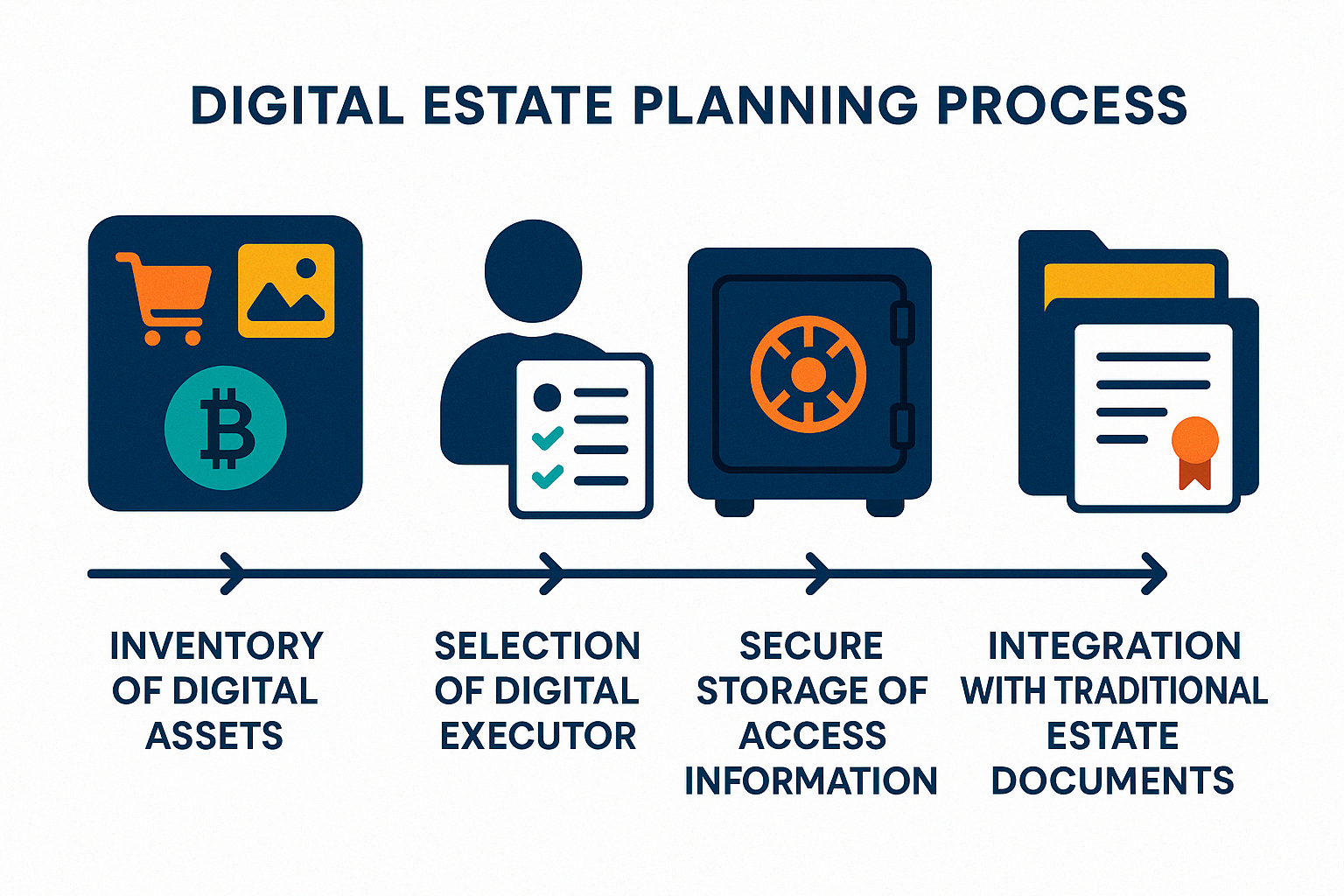
Digital estate planning tools must work hand-in-hand with your traditional estate planning documents. Your will or trust should acknowledge your digital assets, but storing sensitive login information in these documents creates serious security risks since wills become public record after death.
Instead, a comprehensive approach involves creating a separate, secure inventory of digital assets that’s referenced in your estate documents but stored privately. This approach respects both security concerns and legal requirements while ensuring your digital legacy remains accessible to those you choose.
At Brillant Law Firm, we understand the delicate balance required when incorporating digital assets into your estate plan. We help clients steer these complex waters with strategies that address both traditional and digital assets while maintaining necessary security and complying with California law.
For more information about digital assets legislation, you can visit the Uniform Law Commission’s page on the Fiduciary Access to Digital Assets Act.
Your digital footprint contains not just financial value but irreplaceable memories and personal history. Protecting that legacy deserves the same careful attention you give to your physical assets.
Steps to Create a Digital Estate Plan
Creating a robust digital estate plan involves several key steps. Following this structured approach ensures that your digital assets are properly documented, managed, and ultimately transferred according to your wishes.
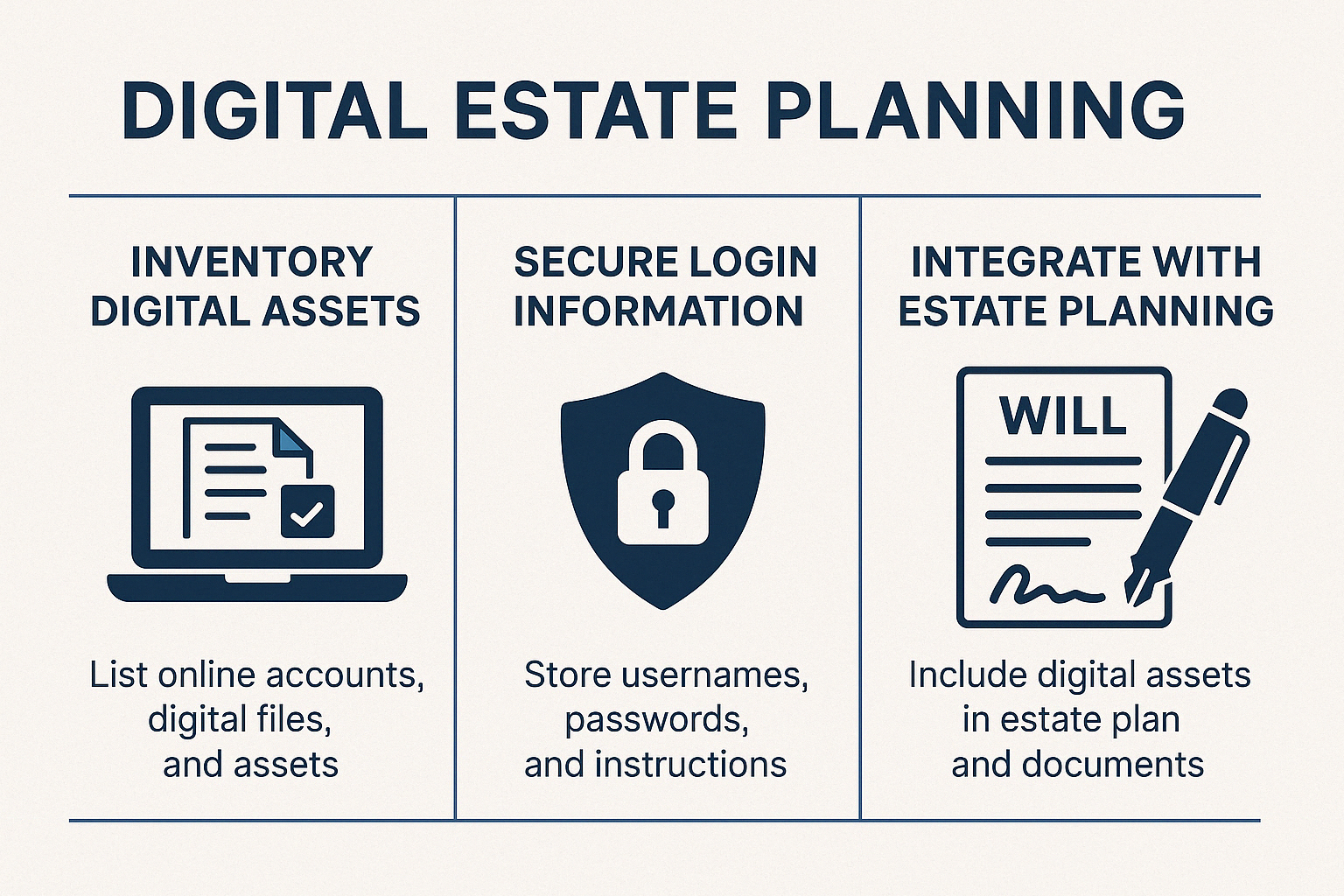
Step 1: Inventory Your Digital Assets
The foundation of any good digital estate plan starts with knowing what you have. Think of this step as creating a digital “treasure map” for your loved ones. Without it, they might never find important or valuable digital assets you’ve accumulated over your lifetime.
Begin by listing all your online accounts – everything from email and social media to banking platforms and subscription services. For each account, document usernames and access information (though store this securely – more on that later). Don’t forget to include a brief description of why each asset matters, whether it has financial value or sentimental importance.
Many of my clients find it helpful to organize their assets by categories. You might group financial accounts together (banking, investments, cryptocurrency), then personal accounts (email, cloud storage), and social accounts (Facebook, Instagram, LinkedIn). This organization makes it much easier for your executor to prioritize what needs immediate attention.
As Colin Korzec wisely puts it, “Creating a road map of the assets that you own and the debts you may have could be the most important thing you can do right now.” I’ve seen how this simple step saves families countless hours of stress and confusion during an already difficult time.
Remember to be thorough but practical. Focus on what truly matters – accounts with financial value, sentimental importance, or those that need proper closure to prevent identity theft.
Step 2: Decide How to Manage Each Asset
Now comes the thoughtful part – deciding what should happen to each digital asset after you’re gone. This isn’t one-size-fits-all; different assets may require different handling.
For valuable assets like cryptocurrency or monetized YouTube channels, you’ll likely want to transfer ownership to specific beneficiaries. Social media accounts might be better memorialized, preserving your online presence while making it clear you’ve passed. Subscription services and routine accounts might simply need closure, while precious family photos should be preserved and shared.
I often remind clients that your options may be limited by each platform’s terms of service. Many digital services offer licenses rather than ownership, which can restrict your transfer options. This is where digital estate planning tools become invaluable, helping steer the specific policies of each platform.
Take advantage of built-in legacy planning features when available. Google’s Inactive Account Manager lets you determine what happens to your Google accounts after a period of inactivity. Facebook’s Legacy Contact feature allows someone to manage aspects of your profile after death. These platform-specific tools complement your broader digital estate plan beautifully.
Step 3: Appoint a Digital Executor
Choosing the right person to handle your digital legacy is perhaps the most critical decision in this process. Your digital executor will be responsible for implementing your wishes regarding your digital assets, so choose wisely!
The ideal candidate should be tech-savvy enough to steer various platforms and security protocols, trustworthy with sensitive information, detail-oriented to manage multiple accounts, and patient enough to work through inevitable challenges with service providers.
Here in California, you can legally designate a digital executor in your will or trust. This person doesn’t have to be the same as your traditional executor. In fact, I often advise clients to consider separating these roles if their main executor isn’t particularly comfortable with technology.
As one of my colleagues aptly notes, “Even if your traditional executor is extremely capable with financial and physical assets, they may not be the best choice for managing your digital legacy.” At Brillant Law Firm, we help clients formalize this appointment to ensure it has proper legal standing under California law.
Step 4: Securely Store Your Digital Estate Plan
The final step presents a fascinating paradox: your plan must be both highly secure and ultimately accessible to the right people. Finding this balance is essential.
Never include actual passwords or access credentials in your will – this document becomes public record during probate, potentially exposing your digital life to anyone who cares to look. Instead, reference where this sensitive information can be found, while storing the details separately.
Several secure storage options have proven effective for my clients:
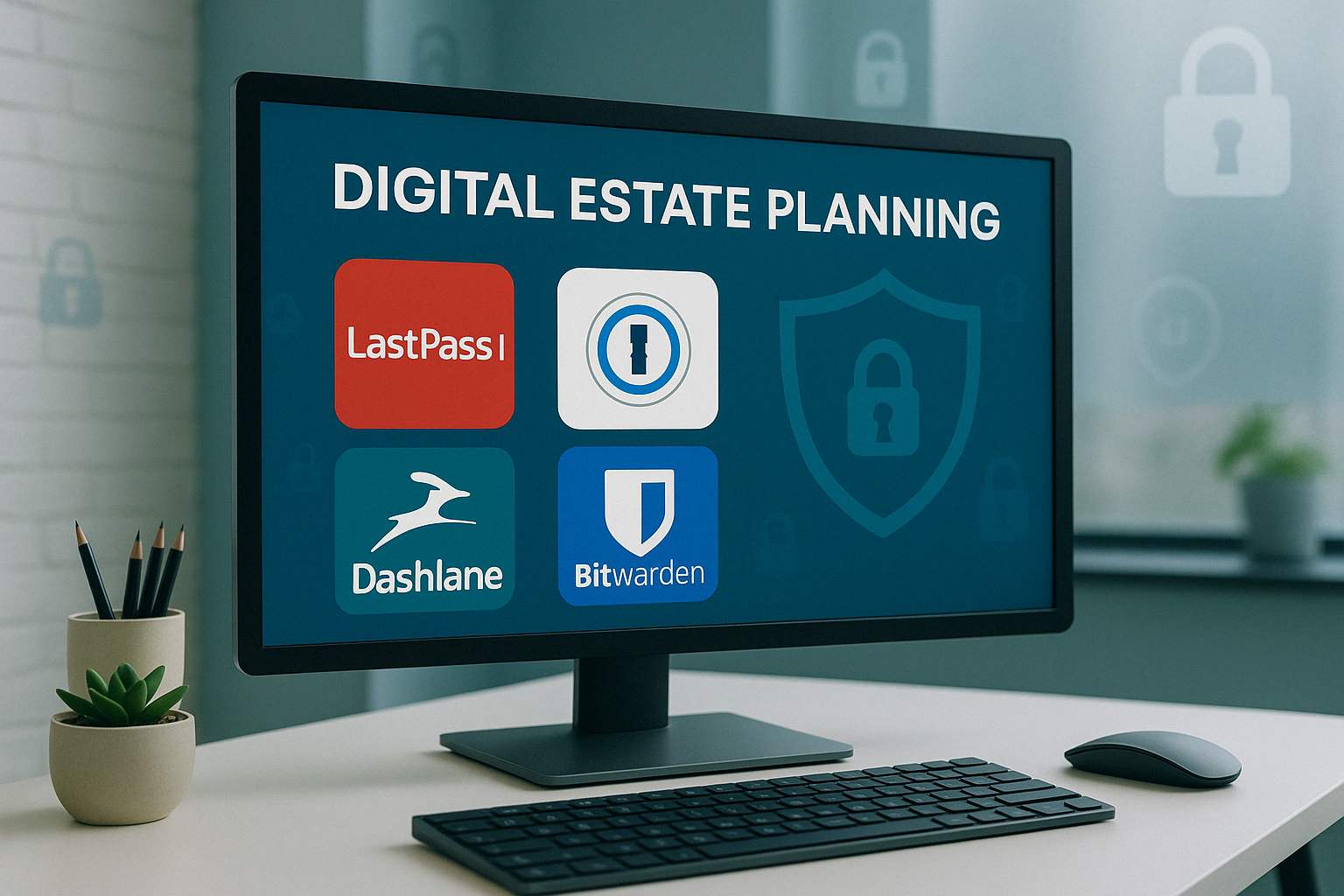
Password managers like LastPass, 1Password, or Dashlane can store your credentials securely while offering emergency access features for designated individuals. Digital vaults such as Everplans provide specialized storage designed specifically for estate planning. For the tech-savvy, encrypted files stored locally can work well, with access instructions provided separately to trusted individuals. Some clients prefer physical storage – printed information kept in a safe deposit box or with their attorney.
Whatever method you choose, ensure your executor knows where to find your digital estate plan and how to access it. As one digital estate planning service aptly reminds us, “An estate plan that no one knows about is like having no estate plan.”
Your digital footprint evolves constantly. I recommend setting calendar reminders to review your plan annually or whenever you create significant new accounts or change important passwords. At Brillant Law Firm, we often help clients establish a regular review process to keep their digital estate plans current and effective.
Digital Estate Planning Tools
The market for digital estate planning tools has expanded significantly in recent years, offering various solutions to help manage and secure digital assets. These tools range from simple password managers to comprehensive platforms designed specifically for digital estate planning.
Types of Digital Estate Planning Tools
When clients first visit us at Brillant Law Firm, they’re often overwhelmed by the sheer number of digital accounts they own. That’s where specialized tools come in handy. Today’s digital estate planning landscape offers several categories of helpful solutions.
Password managers like LastPass, 1Password, Dashlane, and Bitwarden serve as the foundation for many digital estate plans. While not exclusively designed for estate planning, they provide secure storage for your credentials with emergency access features that let you designate trusted contacts who can request access under specific conditions. Think of them as your digital keyring with a backup plan.
For more comprehensive solutions, digital estate platforms such as Everplans, Clocr, and Digital Estate Plan offer specialized tools built specifically for legacy planning. I’ve seen clients breathe sighs of relief when they find these platforms, which typically include intuitive asset inventory tools, secure document storage, and controlled sharing capabilities. Many even integrate with traditional estate documents, bridging the digital-physical divide.
Digital vaults focus primarily on secure storage for sensitive information. They help organize and categorize your digital assets while offering varying levels of access control—perfect for those who want granular control over who sees what and when.
Most major tech companies now offer legacy contact features built directly into their platforms. Google, Facebook, Apple, and Microsoft all provide ways to designate individuals who can access limited account features after your death or extended inactivity. While these features are helpful, they’re just one piece of a comprehensive digital estate plan.
For those looking to create traditional estate documents with digital provisions, legal document generators with specific digital asset sections can help ensure your will and trust comply with California’s adoption of RUFADAA and other relevant laws.
Advantages of Using Digital Estate Planning Tools
The benefits of incorporating specialized tools into your digital estate planning process go beyond simple organization. I’ve witnessed how these tools transform anxiety into confidence for my clients.
Digital estate planning tools create order from chaos. They help structure inventories of digital assets that might otherwise be overlooked, often providing templates and categories that ensure nothing falls through the cracks. As one client told me after setting up her digital estate plan, “I didn’t realize how much mental weight I was carrying until I got everything organized in one place.”
Security is paramount in today’s digital landscape. Professional-grade encryption protects your sensitive information during your lifetime, while controlled access mechanisms ensure only authorized individuals can access this information when needed. This two-pronged approach addresses both current and future security concerns.
Life changes, and so do our digital footprints. Many platforms allow for regular updates to reflect new accounts or changed credentials, with some even offering automated detection of changes. This dynamic approach keeps your digital estate plan current without requiring constant manual updates.
Legal compliance is built into advanced platforms, incorporating RUFADAA principles and other requirements specific to California law. They help ensure proper consent documentation for fiduciary access—a critical component that many homemade solutions miss.
Perhaps most importantly, digital estate planning tools significantly reduce stress for loved ones during an already difficult time. Clear instructions and organized information simplify your executor’s responsibilities and prevent the heartbreak of inaccessible accounts or lost digital memories.
Choosing the Right Digital Estate Planning Tools
Finding the right tools depends on your specific needs, the complexity of your digital footprint, and your comfort with technology. When helping clients evaluate options, I focus on several key factors.
Security features should be your top priority. Look for bank-level encryption, secure authentication methods, and transparent data protection policies. I always advise clients to research a company’s breach history and evaluate how emergency access is granted. The best tools balance security with accessibility—protecting your information without making it impossible to access when needed.
Ease of use matters tremendously. Both you and your executor need to steer the platform comfortably. The most comprehensive tool in the world won’t help if it’s so complicated that no one uses it. Look for intuitive interfaces, clear instructions, and responsive customer support.
Consider the comprehensiveness of any tool you’re evaluating. Does it address all types of digital assets in your portfolio? Can it accommodate your specific instructions for different accounts? The best solutions offer flexibility while providing structure.
Legal compliance is non-negotiable, especially in California. Ensure the tool aligns with California’s adoption of RUFADAA and helps document your consent for fiduciary access. Some platforms offer attorney review or integration options, which can provide additional peace of mind.
Finally, consider cost and longevity. Evaluate subscription fees against features offered and research the company’s stability. Will they still exist when your plan needs to be executed? Look for data portability options in case you need to switch services in the future.
“Planning for your digital footprint is as important as planning for physical assets,” as I often tell my clients. “The right tools make this process manageable and effective, ensuring your digital legacy is protected according to your wishes.”
At Brillant Law Firm, we help clients evaluate and integrate appropriate digital estate planning tools into their comprehensive estate strategies, ensuring both technical effectiveness and legal compliance under California law. We don’t just point you toward tools—we help you build a system that works for your unique digital life.
Legal Considerations in California
When it comes to digital estate planning in California, the legal landscape has unique features you need to understand. These legal considerations aren’t just technical details—they’re essential protections for your digital legacy and the people you trust to manage it.
California’s Adoption of RUFADAA
California has acceptd the Revised Uniform Fiduciary Access to Digital Assets Act (RUFADAA), giving us a clear framework for how digital assets can be accessed after you’re gone. Think of RUFADAA as a three-story house, with each floor representing a different level of priority:
On the top floor, any choices you make using a service provider’s own tools (like Facebook’s Legacy Contact feature) get the highest priority. The middle floor represents instructions in your formal estate documents. And the ground floor—only used if the upper floors are empty—defaults to whatever the service provider’s terms of service say.
This tiered approach makes one thing crystal clear: being specific about your wishes in proper legal documents is absolutely crucial. Without those clear instructions, your loved ones might find themselves locked out of important accounts, even if they have good intentions.
Legal Rights of Fiduciaries
In California, the people you appoint as fiduciaries—your executor, trustee, or agent under a power of attorney—have legal authority to handle your affairs. But here’s the catch: that authority doesn’t automatically extend to your digital world without your explicit permission.
For your digital executor to effectively manage your online presence, your estate planning documents need specific language that authorizes them to access your devices, manage your online accounts, get information from service providers, and handle your digital content according to your wishes. This is particularly important for financial digital assets like cryptocurrency, where access literally equals ownership.
At Brillant Law Firm, we make sure these digital authorizations are woven seamlessly into your estate planning documents, giving your fiduciaries the legal standing they need to fulfill your wishes.
Importance of Explicit Consent
Perhaps the most critical aspect of California’s digital estate laws is the requirement for your explicit consent. Without clear authorization in your legal documents, even the most cooperative service providers may be legally required to deny access to your accounts.
Your consent needs to be specific and detailed. Which digital assets should your fiduciary access? What level of access are you granting them? Do you want them to have full access to everything, just the ability to download content, or merely information about what accounts exist? Are there any accounts you specifically want to keep private?
As one estate planning attorney puts it: “Even if your loved ones have your passwords, without legal authority to use them, they could potentially violate computer access laws.” Proper documentation protects both your digital legacy and the people trying to honor your wishes.
Potential Consequences of Inadequate Planning
The stakes are surprisingly high when it comes to digital estate planning. Without proper preparations, several serious consequences can follow:
Your cryptocurrency could become permanently inaccessible—imagine bitcoin worth thousands simply vanishing because no one has the private keys. Family members trying to preserve precious photos might inadvertently break the law by accessing your accounts without authorization. The entire estate settlement process could drag on as executors struggle with digital access issues.
Unmanaged accounts create ongoing security risks, potentially leading to identity theft even after death. And perhaps most heartbreaking, irreplaceable digital mementos—photos of your children, personal correspondence, creative works—might be lost forever.
“On average, 3-8% of a person’s net worth may be lost to courts and lawyer fees without proper planning,” notes one probate attorney. With digital assets, that percentage can climb even higher due to the technical and legal complications they present.
Digital estate planning isn’t just about being organized—it’s about protecting what matters to you and making things easier for the people you care about. At Brillant Law Firm, we help California residents steer these complex legal waters with compassion and expertise, ensuring your digital legacy is protected according to your exact wishes.
The good news is that with proper planning using appropriate digital estate planning tools and legal guidance, these problems are entirely preventable. A well-crafted digital estate plan gives you peace of mind and gives your loved ones clear, legally sound instructions for honoring your digital legacy.
Frequently Asked Questions about Digital Estate Planning Tools
What Happens to My Digital Assets if I Don’t Include Them in My Estate Plan?
When digital assets aren’t addressed in your estate plan, your loved ones may face a digital nightmare. Without proper planning, those cherished family photos stored in the cloud could vanish forever. Your cryptocurrency investments might become permanently inaccessible—like finding a safe full of gold but having no key or combination.
Many of my clients are surprised to learn that service providers typically lock down accounts after death, even if family members know the passwords. Attempting to access these accounts without legal authorization could actually violate computer fraud laws, putting your grieving family in a difficult legal position.
“I never considered what would happen to my online business and all my client files,” shared one client. “The thought of my family being unable to access those accounts—and potentially losing thousands of dollars in ongoing revenue—was the wake-up call I needed.”
Beyond financial concerns, there’s the emotional toll. Imagine your family unable to access decades of photos and videos, or being forced to see your social media accounts remain active indefinitely, serving as a painful reminder of their loss. Digital accounts left unmanaged also create identity theft risks, as hackers target dormant accounts of deceased individuals.
One important technical note: platform-specific tools like Google’s Inactive Account Manager actually override legal documents. As experts in the field say, “Dead Man’s Switches Trump RUFADAA.” This means comprehensive planning must address both legal documents and platform-specific tools to truly protect your digital legacy.
Can I Include My Passwords in My Will?
I frequently hear this question from clients, and my answer is always a resounding “no.” Including passwords in your will creates serious security and privacy risks that far outweigh any potential convenience.
Here’s why this approach is problematic: wills become public documents during probate. This means anyone could potentially access your passwords through court records. Even before probate begins, multiple people may handle your will—attorneys, assistants, family members—creating numerous opportunities for sensitive information to be compromised.
There’s also a practical issue: how often do you update your passwords? Monthly? Quarterly? Now imagine having to update your legal will each time. Not only would this be inconvenient, but it would also become quite expensive over time.
Instead, consider these more secure alternatives:
Use a password manager with emergency access features that allow you to designate trusted contacts who can request access under specific circumstances. Create a separate, secure document with your digital inventory and access information, then simply reference this document in your will without including the actual credentials. This way, your executor knows the information exists without exposing sensitive details in public records.
As one client wisely noted after we set up her digital estate plan: “I sleep better knowing my son won’t have to become a digital detective just to access family photos and manage my accounts.”
How Can a Digital Estate Planning Attorney Help?
Navigating the complex intersection of technology and estate law requires specialized knowledge that many general practice attorneys simply don’t possess. A digital estate planning attorney brings valuable expertise that can save your family significant stress, time, and money.
At Brillant Law Firm, we stay current with California’s implementation of RUFADAA (Revised Uniform Fiduciary Access to Digital Assets Act) and other relevant laws affecting digital assets. We ensure your estate planning documents contain the specific language needed to grant your chosen representatives legal authority to access and manage your digital assets.
Beyond legal compliance, we help clients evaluate and integrate digital estate planning tools into their comprehensive estate strategies. We consider which tools offer the best security, usability, and compliance with California law for your specific situation.
“I thought I just needed passwords written down somewhere,” one client told me. “I had no idea about the legal problems my executor would face without proper documentation. The comprehensive plan we created gives me confidence that my digital life will be handled exactly as I wish.”
We also help clients steer the often-confusing terms of service for various digital platforms. Many people don’t realize that clicking “I agree” when signing up for services often means accepting terms that prohibit account transfer—even after death. We help create strategies that work within these constraints.
For clients with substantial digital assets like cryptocurrency or online businesses, we develop custom approaches that address the unique challenges these assets present. Our goal is to create a seamless integration between your traditional estate plan and your digital estate plan.
For more information about how we can help protect your complete legacy—both physical and digital—visit our Estate Planning Guidance page.
Conclusion
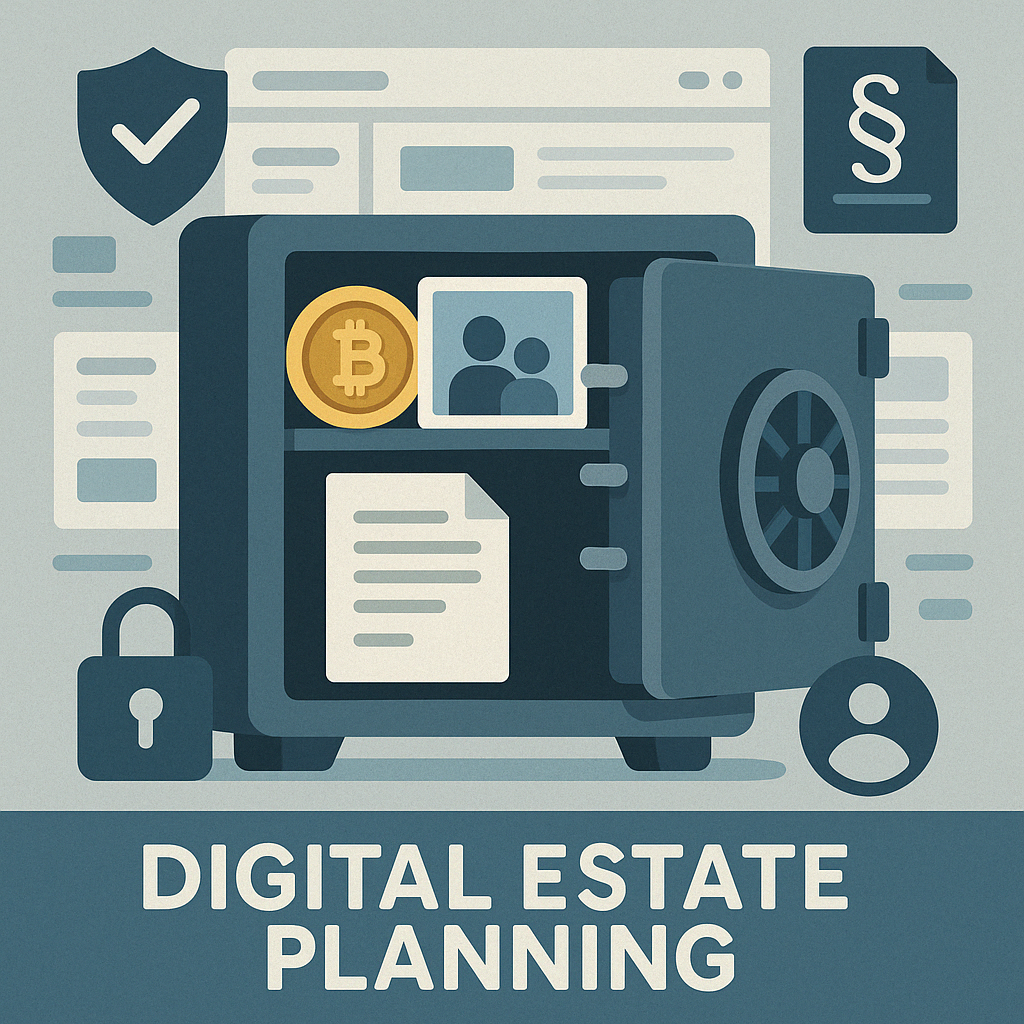
As our lives become increasingly digital, so does our legacy. From cherished family photos stored in the cloud to valuable cryptocurrency investments, our digital footprint holds both financial and emotional significance that deserves careful protection. Digital estate planning tools aren’t just nice-to-have extras anymore—they’re essential components of any forward-thinking estate strategy.
Think about it: without proper planning, what happens to all those memories, accounts, and digital assets you’ve accumulated? They could become permanently inaccessible, leaving your loved ones frustrated and potentially missing out on both sentimental treasures and financial resources that were rightfully theirs.
Throughout this guide, we’ve walked through the key steps to creating an effective digital estate plan: taking inventory of your digital world, making clear decisions about each asset, appointing a tech-savvy executor, and securely storing this information. By following this roadmap and leveraging specialized tools, you’re taking control of your digital legacy in a way most people never consider.
California’s adoption of the Revised Uniform Fiduciary Access to Digital Assets Act (RUFADAA) gives us a solid legal framework to work with, but remember—it only works if you’ve explicitly documented your consent and wishes. Without that documentation, even the most well-meaning executor may find themselves powerless to access your accounts.
At Brillant Law Firm, we see the human side of this planning every day. We’ve helped families recover precious photos that would have otherwise been lost forever. We’ve guided executors through the complex process of managing cryptocurrency after a loved one’s passing. And we’ve created customized, comprehensive strategies that give our clients peace of mind knowing their entire legacy—both physical and digital—is protected.
Digital estate planning isn’t something you can set and forget. As you open new accounts, change passwords, or acquire new digital assets, your plan needs regular updates. Think of it as routine maintenance—a small investment of time that pays enormous dividends for your loved ones when they need it most.
Creating a thoughtful digital estate plan is truly one of the most considerate things you can do for your family. In a time of grief, the last thing they need is to struggle with locked accounts, inaccessible memories, or complicated digital puzzles. Your planning today creates clarity and comfort tomorrow.
Ready to secure your digital legacy? Our team at Brillant Law Firm specializes in creating comprehensive estate plans that address both traditional and digital assets with equal care and expertise. We’d be honored to help you develop a strategy that protects everything you’ve worked for and everything you cherish.


