

Corporate litigation lawyer meaning is your key to understanding a vital component of the business world: the experts who defend businesses in legal disputes. Corporate litigation lawyers represent businesses in court, resolving conflicts that arise in corporate operations. They offer legal guidance, tackle contract issues, and handle complex disputes that could affect a company’s reputation and bottom line.
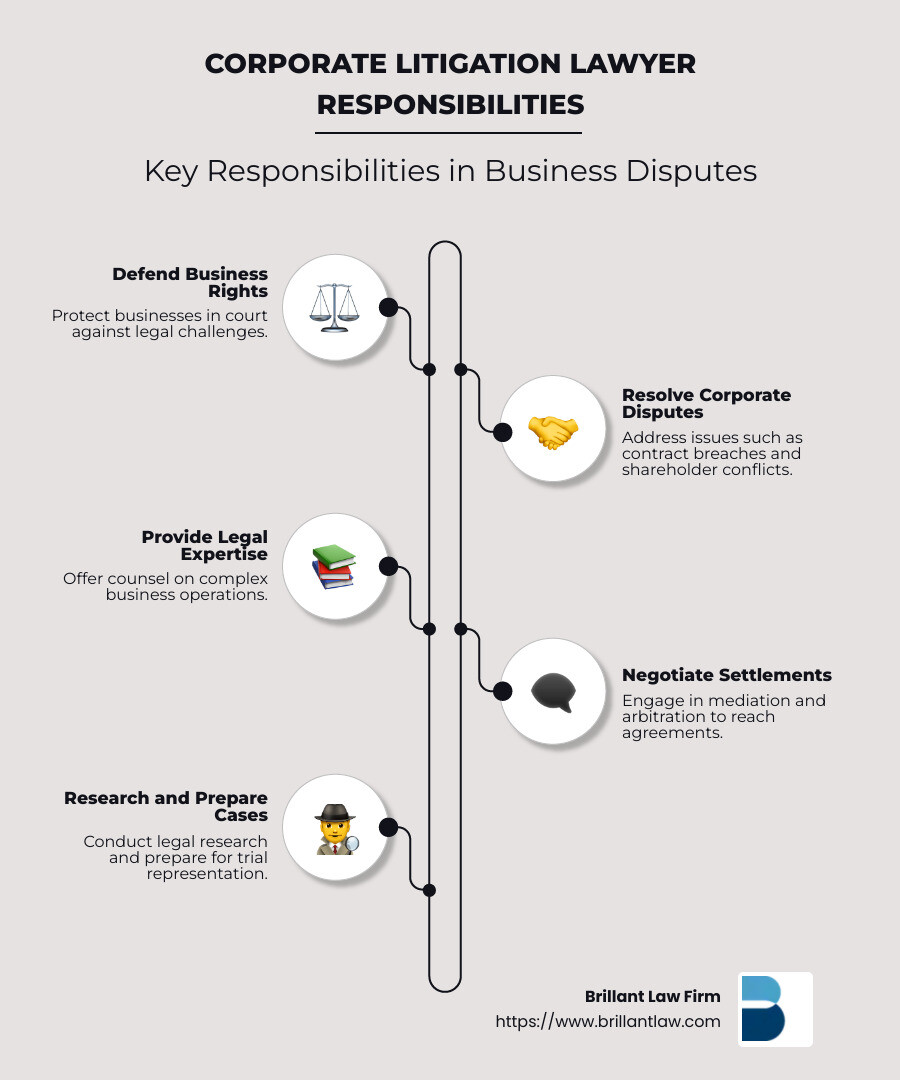
- Defend business rights in court
- Resolve corporate disputes, from contracts to compliance
- Provide legal expertise crucial for ongoing business operations
In the intricate world of business operations, conflicts are inevitable. Whether it’s contract breaches, shareholder squabbles, or regulatory issues, having an ally skilled in corporate law is invaluable. A corporate litigation lawyer ensures that businesses can focus on growth rather than legal hassles.
I’m David Brillant, a seasoned lawyer specializing in complex legal matters across California, including corporate litigation lawyer meaning. With experience in both transactional and litigation law, I assist businesses in safeguarding their interests through strategic legal expertise.
Corporate litigation lawyer meaning terms to know:
– business dispute lawyer
– commercial litigation
– what is commercial litigation
What is a Corporate Litigation Lawyer?
A corporate litigation lawyer is like a shield for businesses, protecting them from legal battles that can disrupt operations. Imagine a company as a ship navigating through stormy seas; these lawyers are the skilled captains steering it to safety.
Dispute Resolution
At the core of a corporate litigation lawyer’s role is dispute resolution. They step in when conflicts arise, whether it’s a disagreement over a contract or a clash between shareholders. Their job is to find solutions, often before the storm hits the courtroom.
Contracts: Disputes over contracts are common. A corporate litigation lawyer ensures that agreements are clear and enforceable. If things go south, they’re ready to defend their client’s interests.
Shareholder Issues: When shareholders clash, these lawyers mediate to protect the company’s stability and reputation.
Legal Expertise
Their legal expertise is not just about knowing the law. It’s about understanding how laws impact a business’s day-to-day operations. They are the ones who dive deep into legal research, analyzing regulations and precedents that could affect a case.
- Regulatory Knowledge: In California, where regulations can be complex, a corporate litigation lawyer’s understanding of local laws is crucial. They help businesses steer these waters, ensuring compliance and reducing legal risks.
Corporate Context
Working within a corporate context means these lawyers don’t just think about the law; they think about how legal decisions impact business goals. They know that a lawsuit isn’t just a legal issue—it’s a business challenge.
Strategic Advisors: Beyond the courtroom, corporate litigation lawyers advise on strategies to avoid disputes altogether. They help draft contracts, review business practices, and identify potential legal pitfalls.
Cost Management: In California, legal costs can be high. These lawyers help manage expenses by offering proactive advice and exploring alternative dispute resolutions, like mediation or arbitration, to avoid costly trials.
Real-World Example
Consider the case of a merger gone wrong. A group of shareholders believes the merger will harm their investments. A corporate litigation lawyer steps in, representing the shareholders to ensure their voices are heard and their rights protected.
In business, having a corporate litigation lawyer is not just about winning cases. It’s about safeguarding the company’s future, ensuring compliance, and making strategic decisions that align with business goals. They are the defenders of corporate interests, ensuring that businesses can thrive even amidst legal challenges.
Corporate Litigation Lawyer Meaning
A corporate litigation lawyer plays a vital role in the business world, acting as the defender of corporate interests within the court system. Their expertise is key in resolving disputes and providing legal representation to businesses facing legal challenges.
Key Responsibilities
Dispute Resolution: At the heart of a corporate litigation lawyer’s duties is resolving disputes. Whether it’s a breach of contract or a shareholder disagreement, these lawyers work to settle issues efficiently.
Court Representation: If a dispute escalates to the courtroom, corporate litigation lawyers represent their clients, presenting evidence and making legal arguments to protect the business’s interests.
Client Consultation: They regularly consult with corporate clients to provide strategic advice, ensuring that businesses understand their legal rights and obligations.

Legal Research: Corporate litigation lawyers conduct thorough legal research to support their cases. They analyze laws, regulations, and precedents to build robust legal strategies.
- Document Preparation: Drafting legal documents, such as pleadings and motions, is a crucial part of their job, ensuring all paperwork is accurate and compelling.
Skills Required
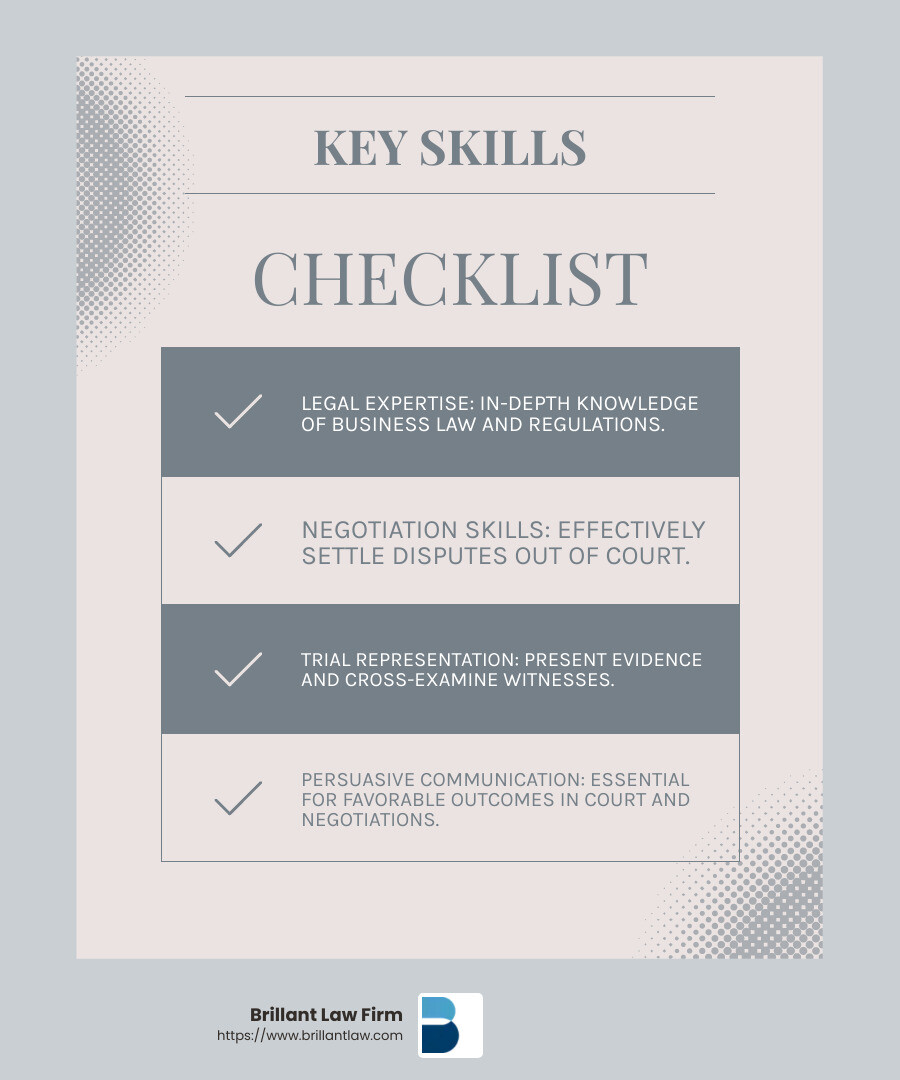
Legal Knowledge: A deep understanding of the law is essential. Corporate litigation lawyers must be well-versed in various legal areas, especially those relevant to business operations.
Negotiation: Successful negotiation skills are crucial. These lawyers often work to settle disputes out of court, saving time and costs for their clients.
- Mediation and Arbitration: They use alternative dispute resolution methods to find amicable solutions, often resulting in faster and less expensive outcomes than traditional litigation.
Trial Representation: When cases go to trial, corporate litigation lawyers must effectively represent their clients, presenting evidence and cross-examining witnesses.
- Persuasive Communication: Whether in court or during negotiations, the ability to communicate persuasively is key to achieving favorable outcomes.
In summary, a corporate litigation lawyer is essential for any business navigating legal challenges. Their role extends beyond just legal representation; they are strategic partners in safeguarding a company’s future. They ensure businesses can focus on growth while expertly handling any legal problems that arise.
Next, we’ll explore the common types of corporate litigation that these lawyers tackle, including contract disputes, shareholder disagreements, and regulatory compliance issues.
Common Types of Corporate Litigation
Corporate litigation can be a maze of complex issues. Here, we’ll break down three common types of disputes: breach of contract, shareholder disputes, and regulatory compliance. Understanding these can help businesses prepare and protect themselves.
Breach of Contract
A breach of contract happens when one party doesn’t fulfill their end of a deal. This is a frequent issue in the business world because contracts are the backbone of business relationships. Disputes can arise over vague contract language or performance issues, like not delivering services on time.
- Example: Imagine a supplier failing to deliver materials by the agreed date, causing a production halt. This is a classic breach, leading to financial losses for the affected party.
To avoid such disputes, clear and precise contract terms are essential. Businesses should also consider including clauses for dispute resolution, like mediation, to handle issues amicably.
Shareholder Disputes
Shareholder disputes often involve conflicts over minority rights or decision-making within a company. These disagreements can escalate quickly, especially if minority shareholders feel excluded from important decisions or benefits.
- Case Study: Consider a scenario where a minority shareholder believes the majority is making decisions that unfairly benefit them at the expense of others. This could lead to litigation to protect minority interests.
To prevent these disputes, companies should ensure transparent communication and fair decision-making processes. Regular meetings and clear policies can help maintain harmony among shareholders.
Regulatory Compliance
Staying compliant with laws and regulations is a must for businesses. Environmental regulations and labor laws are common areas where companies might face legal challenges.
- Fact: According to a report by Baker McKenzie, nearly 75% of corporate lawyers see environmental, social, and governance (ESG) litigation as a significant concern. This highlights the growing scrutiny on businesses to meet regulatory standards.
Non-compliance can lead to hefty fines and damage to a company’s reputation. Implementing robust compliance programs and staying updated with regulatory changes are crucial steps in mitigating these risks.
In summary, understanding these common types of corporate litigation can help businesses steer potential legal challenges. By focusing on clear contracts, fair shareholder practices, and rigorous compliance, companies can better protect their interests. Up next, we’ll dig into the corporate litigation process, from pre-trial strategies to trial and post-trial actions.
The Corporate Litigation Process
Navigating the corporate litigation process can feel overwhelming, but understanding the key steps can make it more manageable. Let’s explore what happens before, during, and after a trial.
Pre-Trial Strategies
The journey begins with case assessment. This is when your lawyer evaluates the strengths and weaknesses of your case. It’s like preparing for a big game—knowing your opponent’s moves and planning your strategy.
Next comes the findy phase. Think of it as gathering all the puzzle pieces. Both sides exchange information, documents, and take depositions. This stage is crucial because it shapes the evidence that will be used in court.
Then, there are settlement negotiations. Most cases settle before trial. Lawyers from both sides discuss terms to avoid the uncertainty of a trial. This can save time and money.
If settlement talks stall, mediation or arbitration might be the next step. In mediation, a neutral third party helps both sides find common ground. Arbitration is more formal, like a private trial, where an arbitrator makes a binding decision.
Trial and Post-Trial
If pre-trial strategies don’t resolve the dispute, the case heads to trial. Your lawyer will represent you in court, presenting evidence and cross-examining witnesses. This is where all the preparation pays off.
After the trial, the judge or jury will deliver a judgment outcome. If you’re unhappy with the result, there’s an option to appeal. This means asking a higher court to review the decision. Appeals can be complex and require skilled legal guidance.
In California, having a corporate litigation lawyer is crucial throughout this process. They help protect your interests and guide you through each step.
Understanding the corporate litigation process is like having a map through a maze. With the right strategies and a skilled lawyer, you can steer it successfully. Let’s now explore some frequently asked questions about corporate litigation lawyers.
Frequently Asked Questions about Corporate Litigation Lawyers
What is the difference between a corporate lawyer and a litigation lawyer?
A corporate lawyer typically handles the legal aspects of running a business. They focus on contracts, mergers, compliance, and corporate governance. Think of them as the architects of business deals, ensuring everything is legally sound and structured.
A litigation lawyer, or trial advocate, steps in when disputes arise. They represent clients in court, handle lawsuits, and work to resolve conflicts through legal proceedings. Their role is more like a firefighter, tackling legal battles as they flare up.
While both types of lawyers are crucial, their roles are distinct. A corporate lawyer sets the stage for smooth operations, whereas a litigation lawyer defends the company’s interests in disputes.
How can a corporate litigation lawyer help avoid disputes?
A corporate litigation lawyer is not just for fighting battles; they’re also skilled in risk management. They provide legal advice to help businesses identify potential issues before they escalate.
For instance, they might review contracts to ensure clarity and fairness, reducing the chance of misunderstandings. They can also advise on compliance with regulations, like environmental laws or labor standards, to prevent costly violations.
By foreseeing potential pitfalls and advising on best practices, a corporate litigation lawyer helps keep disputes at bay, saving time and resources.
What are the typical fees for corporate litigation lawyers in California?
In California, the cost of hiring a corporate litigation lawyer can vary widely. Hourly rates often range from $300 to $800, depending on the lawyer’s experience and the complexity of the case.
Some lawyers might offer alternative billing arrangements, like flat fees for specific tasks or contingency fees, where they only get paid if you win. It’s essential to discuss fees upfront to avoid surprises.
Legal costs can add up quickly in litigation, so understanding the fee structure and planning your budget is crucial. A skilled corporate litigation lawyer will help you steer these costs effectively, ensuring you get the best representation for your investment.
With these common questions answered, you’re better equipped to understand the role and value of a corporate litigation lawyer. Let’s explore more about how these legal professionals operate within the corporate world.
Conclusion
At Brillant Law Firm, we understand that navigating the complexities of corporate litigation requires more than just legal knowledge—it demands a strategic approach custom to each client’s unique needs. Our team is dedicated to providing exceptional legal expertise and client-focused strategies to protect your business interests.
Why Choose Brillant Law Firm?
Unparalleled Expertise: Our attorneys have a deep understanding of the corporate litigation landscape. With extensive experience handling diverse cases, we ensure that your business is not only defended but also positioned for future success.
Client-Focused Strategies: We believe that each client deserves a bespoke approach. Our strategies are designed to be both goal-oriented and financially viable, ensuring that your business receives the best possible outcome.
Commitment to Excellence: Our unwavering dedication to excellence means we go above and beyond to protect your interests. Whether through negotiation, mediation, or trial representation, we are your strongest advocates every step of the way.
Corporate litigation can be daunting, but with the right legal partner, it doesn’t have to be. At Brillant Law Firm, we are committed to being that partner, providing the expertise and support your business needs to thrive.
If you’re facing a complex legal issue or want to learn more about how we can assist with your corporate litigation needs, contact us today. Let us be your defenders in the legal arena, ensuring your business is protected and positioned for success.


