

When legal disputes arise, understanding civil litigation lawyer services becomes essential. These services involve skilled professionals helping individuals and businesses resolve non-criminal disputes, like breaches of contract, real estate issues, and personal injury claims.
Civil litigation lawyer services encompass:
- Legal advice and strategy development
- Representation in court and alternative dispute resolution
- Assistance with filing and navigating legal documents
As a legal labyrinth, civil litigation requires expertise to ensure the best possible outcomes. It doesn’t only involve bringing disputes to court; many issues are resolved through mediation and arbitration, which can save time and resources.
I’m David Brillant, a seasoned attorney with a specialization in estate planning, trust, probate law, and civil litigation lawyer services. My experience revolves around solving complex legal challenges for high-net-worth individuals and businesses. Let’s dive deeper into civil litigation and explore how it can effectively address your legal needs.
Understanding Civil Litigation
Civil litigation is all about resolving non-criminal cases. It’s the legal process used when two or more parties have a dispute that isn’t about breaking the law. Instead, it’s about disagreements over things like contracts, property, or personal injuries.
What is Civil Law?
Civil law is the branch of law that deals with these non-criminal disputes. It covers a wide range of issues, such as:
- Contract disputes: When one party doesn’t fulfill their part of a contract.
- Property disputes: Issues over ownership or boundaries.
- Personal injury claims: Cases where someone is injured and seeks compensation.
Civil law aims to right a wrong, honor an agreement, or provide compensation for an injury. It’s different from criminal law, which focuses on punishing offenses against the state or public.
How Does Civil Litigation Work?
The civil litigation process typically starts when one party files a lawsuit against another. Here’s a simple breakdown:
- Filing a Complaint: The plaintiff (the party suing) files a complaint to start the lawsuit.
- Findy Phase: Both parties gather evidence and information to build their cases.
- Pre-Trial: The parties may resolve the dispute through mediation or arbitration. These are alternative dispute resolution methods that can save time and money.
- Trial: If a settlement isn’t reached, the case goes to trial. Here, a judge or jury decides the outcome.
- Verdict and Judgment: The court issues a decision, and if necessary, orders compensation or other remedies.
Why Choose Civil Litigation?
Civil litigation can be a powerful tool for resolving disputes. It provides a structured way to address grievances and seek justice. While it can be a lengthy process, it ensures that each party has the opportunity to present their case and have it heard by an impartial judge or jury.
Understanding the nuances of civil litigation can be complex, but with the right legal guidance, it can effectively address your legal needs. Whether through court proceedings or alternative dispute resolution, civil litigation offers a path to resolution.

The Role of a Civil Litigation Lawyer
A civil litigation lawyer is your go-to person when you’re tangled in a non-criminal legal dispute. They’re like the superheroes of the legal world, swooping in to help you steer the complexities of the legal system. Let’s break down what they do.
Litigator: The Legal Gladiator
Think of a litigator as a gladiator in the courtroom arena. Their main job is to represent you in legal battles, fighting to protect your interests. They handle everything from gathering evidence to presenting your case in court.
Key Responsibilities of a Litigator:
- Case Assessment: They evaluate the strengths and weaknesses of your case.
- Document Preparation: Drafting and filing legal documents like complaints and motions.
- Findy: Collecting evidence through depositions, interrogatories, and subpoenas.
- Negotiation: Working to settle disputes outside of court when possible.
- Trial Representation: Presenting your case before a judge or jury if it goes to trial.
Trial Advocate: Your Voice in Court
When your case heads to trial, a civil litigation lawyer becomes your trial advocate. They are your voice, arguing on your behalf to achieve the best outcome.
What Makes a Good Trial Advocate?
- Persuasive Communication: They must clearly and convincingly present your case.
- Strategic Thinking: Developing a strong trial strategy custom to your specific situation.
- Attention to Detail: Ensuring every piece of evidence supports your case.
Legal Advice: Your Personal Legal Guide
Besides representing you in court, civil litigation lawyers provide crucial legal advice. They help you understand the legal landscape and make informed decisions.
How They Guide You:
- Explaining Legal Jargon: Breaking down complex legal terms into simple language.
- Evaluating Options: Advising on whether to settle or proceed to trial.
- Risk Assessment: Helping you understand the potential outcomes and risks involved.
A civil litigation lawyer is a combination of a strategist, negotiator, and advocate, all rolled into one. They provide the expertise and support you need to tackle legal disputes effectively and confidently.
Understanding their role can help you better steer the legal process and make the most of the services they offer.
Civil Litigation Lawyer Services
When you’re caught in a legal tangle, understanding your options for civil litigation lawyer services can make all the difference. These services are designed to help resolve disputes efficiently and fairly. Let’s explore some key methods: dispute resolution, mediation, and arbitration.
Dispute Resolution: Finding Common Ground
Dispute resolution is the umbrella term for processes that aim to resolve conflicts without going to court. It’s like finding common ground in a disagreement. Lawyers skilled in dispute resolution work to negotiate settlements that satisfy all parties involved.
Why Choose Dispute Resolution?
- Cost-Effective: Avoids the high costs of a trial.
- Time-Saving: Resolves issues faster than court proceedings.
- Confidential: Keeps matters private, unlike public court cases.
Mediation: The Neutral Middleman
Mediation involves a neutral third party who helps both sides reach an agreement. Think of a mediator as a referee who ensures fair play. They don’t make decisions but facilitate discussions to help you find a mutual resolution.
Benefits of Mediation:
- Voluntary Process: Both parties must agree to participate.
- Control Over Outcome: Parties have more say in the final agreement.
- Preserves Relationships: Encourages cooperation and communication.
Arbitration: The Private Judge
Arbitration is a bit like having a private judge. An arbitrator listens to both sides and then makes a decision that is usually binding. It’s more formal than mediation but less so than a court trial.
Advantages of Arbitration:
- Flexibility: Parties can choose their arbitrator and set their rules.
- Finality: Decisions are typically final and enforceable.
- Efficiency: Faster resolution compared to traditional litigation.
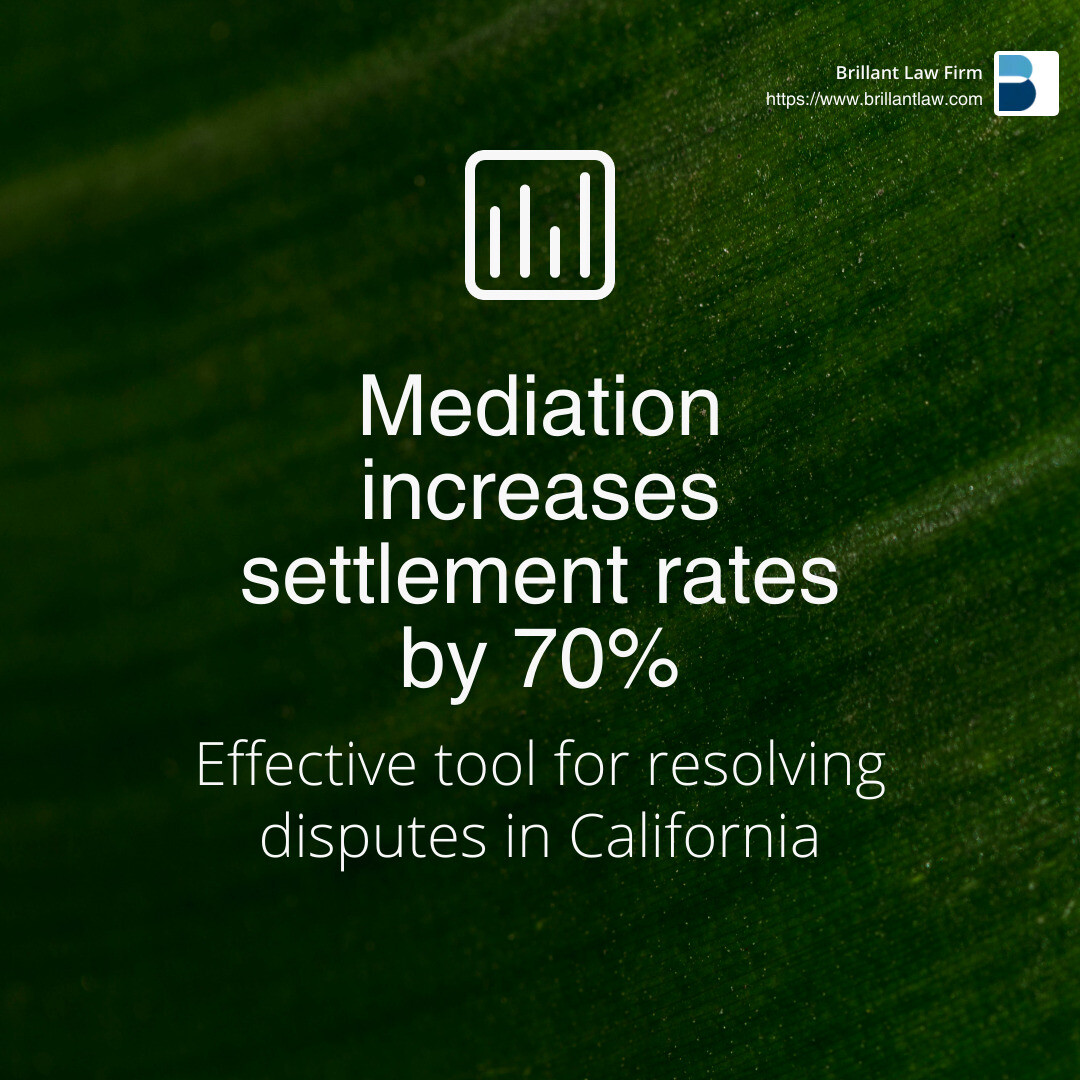
In California, these methods are effective tools for resolving disputes without the need for lengthy court battles. By choosing the right approach, you can save time, money, and stress while achieving a fair outcome.
In the next section, we’ll dive into the civil litigation process, examining the steps involved from filing a lawsuit to court proceedings.
The Civil Litigation Process
Navigating the civil litigation process can feel daunting, but breaking it down into steps makes it more manageable. Here’s what you can expect when pursuing a civil case in California.
Filing a Lawsuit: The Starting Point
Everything begins with filing a lawsuit. This step involves submitting a complaint to the court, outlining your grievances and what you seek from the other party. It’s like setting the stage for your case.
Key Components:
- Complaint: The document that starts the lawsuit. It details your claims and the relief you want.
- Summons: A notice to the defendant that they are being sued and must respond.
Why It Matters: Filing correctly is crucial. Mistakes can delay the process or even jeopardize your case.
Findy Phase: Uncovering the Facts
Once the lawsuit is filed, the findy phase kicks in. This is where both sides gather evidence. Think of it as the fact-finding mission of the process.
What Happens During Findy?
- Document Exchange: Sharing relevant documents and records.
- Depositions: Sworn out-of-court testimonies from witnesses.
- Interrogatories: Written questions that must be answered under oath.
Purpose: To build a strong case by uncovering all relevant facts and evidence.
Court Proceedings: Presenting Your Case
If the dispute isn’t resolved through negotiation or alternative methods, it moves to court proceedings. This is where both sides present their arguments, much like a courtroom drama.
Stages of Court Proceedings:
- Pre-Trial Motions: Requests for the court to make certain decisions before trial.
- Trial: Both parties present evidence and arguments to a judge or jury.
- Judgment: The court’s decision, which resolves the case.
Outcome: The goal is a fair resolution, whether through a court ruling or a settlement reached during the process.
Understanding these steps can explain the civil litigation process and help you prepare for what’s ahead. Whether you’re filing a lawsuit or defending against one, knowing the ins and outs can make all the difference.
In the next section, we’ll tackle some frequently asked questions about civil litigation, shedding light on common concerns and misconceptions.
Frequently Asked Questions about Civil Litigation
What is the difference between a litigator and a lawyer?
A lawyer is someone who has studied law and is licensed to practice it. They can offer legal advice, draft legal documents, and represent clients in various legal matters.
A litigator, on the other hand, is a type of lawyer who specializes in taking legal action against people or organizations. They are the ones you see arguing cases in court, negotiating settlements, and navigating the complexities of the trial process. Litigators are often referred to as trial advocates because they focus on presenting and arguing cases in front of a judge or jury.
Key Point: While all litigators are lawyers, not all lawyers are litigators. Litigators are specifically trained and experienced in court proceedings and dispute resolution.
What is the meaning of civil rights litigation?
Civil rights litigation involves legal cases where individuals or groups seek to protect their rights under the law. These cases often address issues like discrimination, freedom of speech, or equal treatment under the law.
In civil rights cases, lawyers work to ensure that their clients’ rights are upheld. They might file lawsuits to challenge discriminatory practices or seek changes in laws or policies that infringe on civil rights.
Example: A case involving workplace discrimination based on race or gender would fall under civil rights litigation. Lawyers in these cases aim to obtain justice and ensure fair treatment for their clients.
How to get a free lawyer in California?
If you’re in need of legal assistance but can’t afford a lawyer, there are options available in California:
Legal Aid Organizations: These non-profit groups provide free legal services to low-income individuals. They cover various civil issues, including family law, housing, and consumer rights.
Pro Bono Services: Some lawyers offer their services for free, known as pro bono work. They might assist with cases that have a significant public interest or for clients who cannot afford to pay.
Public Defender’s Office: While primarily for criminal cases, public defenders provide legal representation for those who cannot afford a private attorney. However, this is typically not available for civil cases.
To find free legal services, you can start by contacting local legal aid organizations or checking with the California State Bar for a list of pro bono resources.
Remember: Accessing free legal services often requires meeting certain income or case-type criteria, so inquire about eligibility requirements.
Conclusion
At Brillant Law Firm, we understand that navigating the complexities of civil litigation can be daunting. Our team is dedicated to providing bespoke strategies custom specifically to each client’s unique needs. Located in California, we specialize in Trusts, Estates, Taxation, Business, Civil Litigation, and Appeals, ensuring that our clients receive comprehensive legal support.
Our commitment to excellence and personalized service sets us apart. We don’t just aim to win cases; we strive to craft strategies that align with your overall objectives, whether that means pursuing a quick settlement or taking a case to trial. Our expertise in civil litigation lawyer services means that we are well-equipped to handle a wide range of legal disputes, offering solutions that are both effective and efficient.
Whether you’re dealing with a business dispute, seeking justice for a wrong, or defending against a lawsuit, our attorneys are prepared to fight for your rights. We pride ourselves on our ability to deliver results while maintaining the highest standards of integrity and professionalism.
For those in California seeking expert legal representation, Brillant Law Firm is your trusted partner. We invite you to learn more about our services and find how we can assist you in achieving your legal goals.
Contact us today to discuss your legal needs and find out how our custom strategies can make a difference in your case. Together, we can steer the complexities of civil litigation and work towards a successful resolution.


